10 QUOTABLE TIPS FROM OSCAR WILDE ON WRITING

In this post, we share 10 quotable tips from Oscar Wilde on writing.

Oscar Wilde was born 16 October 1854, and died 30 November 1900. Wilde was an ‘Irish wit, poet, and dramatist whose reputation rests on his only novel, The Picture of Dorian Gray (1891), and on his comic masterpieces Lady Windermere’s Fan (1892) and The Importance of Being Earnest (1895).’

And his writing is delightful. Every sentence in The Picture of Dorian Gray is quotable for better or worse.

His plays capture your attention with wonderful wordplay. And, his writing will leave you in despair, because you will never be as good a wordsmith as Oscar Wilde was on his worst day.

So, let us lament at this fact and learn what we can from the world’s wittiest writer.

10 Quotable Tips From Oscar Wilde On Writing

1. ‘I am so clever that sometimes I don’t understand a single word of what I am saying.’

The Happy Prince and Other Tales

If you don’t understand what you are saying, why should I? Don’t be so clever you become unreadable.

Edit your work until even the densest reader will think it is witty.

2. ‘The good ended happily, and the bad unhappily. That is what fiction means.’

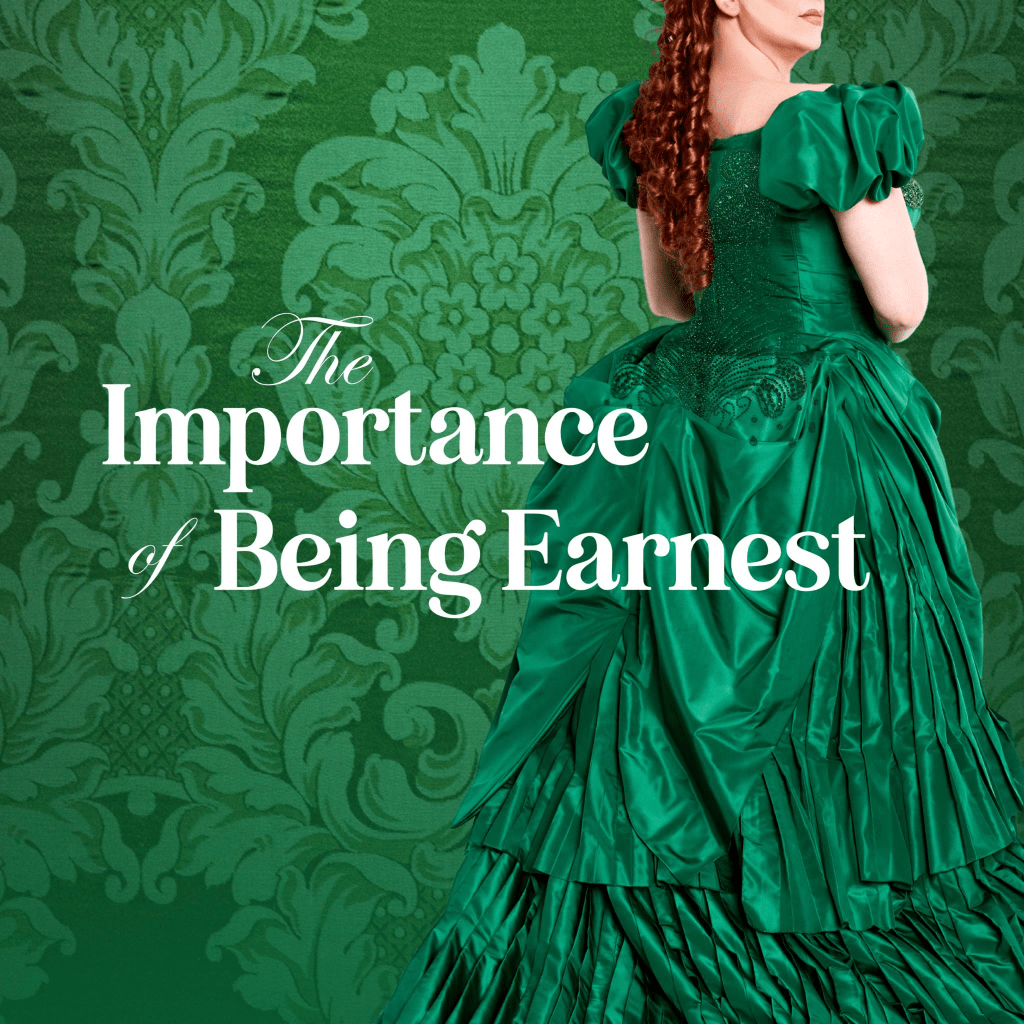
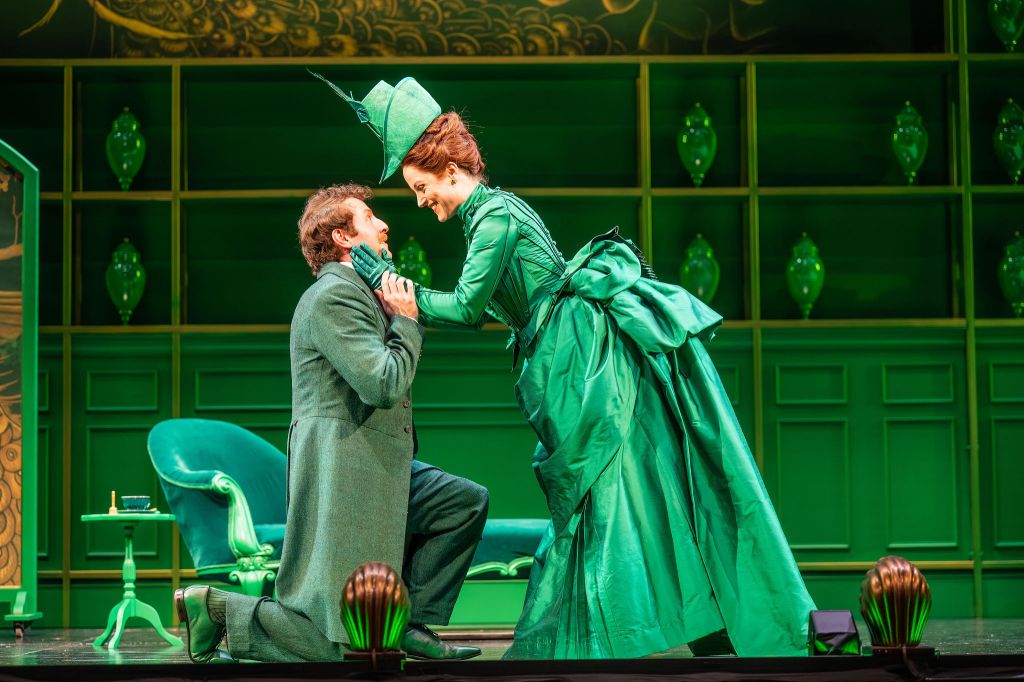
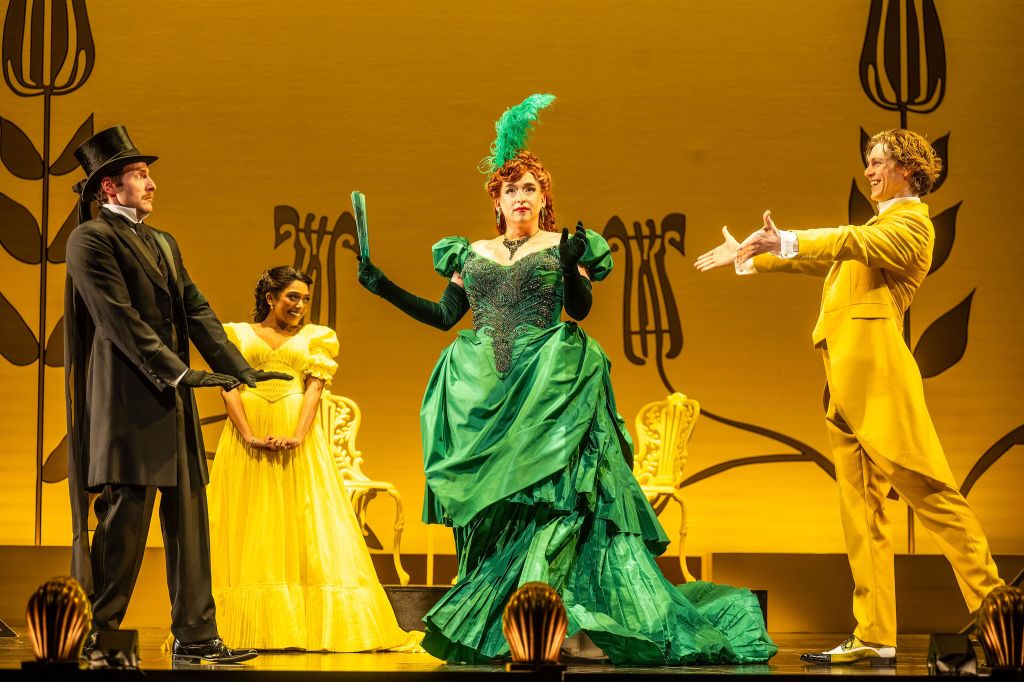
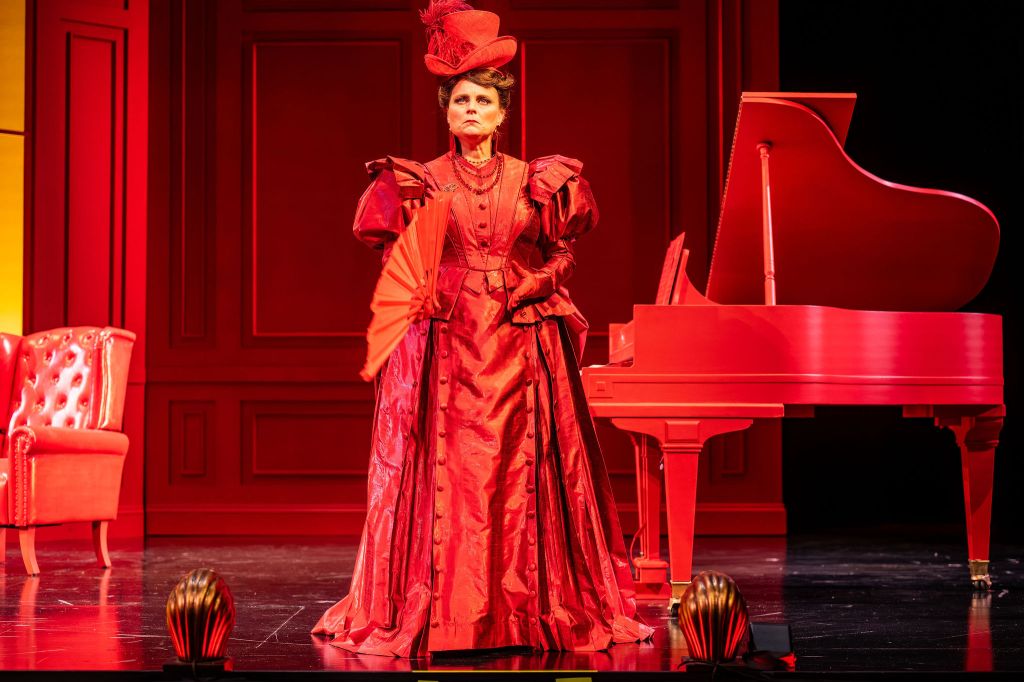
The Importance of Being Earnest

This is a good thing to remember for anyone who wants to subvert the expectations of readers.

That is to say, don’t do it. People read fiction to get away from reality, not to be told about it. They like (mostly) happy endings.

3. ‘An idea that is not dangerous is unworthy of being called an idea at all.’

The Epigrams of Oscar Wilde

Much of what Wilde wrote about was controversial and it got him in trouble. At the same time it got him noticed and, well, we are still talking about him.

4. ‘It is what you read when you don’t have to that determines what you will be when you can’t help it.’

The Decay of Lying

A writer’s style is not going to be determined by set-works from English class, but by the thousands of books you read just because you want to.

Particularly, the one’s you read over and over again.

Keep that in mind when you cultivate a writing style.

5. ‘A man who does not think for himself does not think at all.’

The Soul of Man under Socialism

If you have a boring mind, it will have boring thoughts, and for the love of God please don’t make me read the books it writes!

6. ‘Books are never finished. They are merely abandoned.’

The Picture of Dorian Gray

Authors always write more than they share with their audience. Even bestseller authors have abandoned manuscripts.

Sometimes, they will never be finished but, you will learn to live with it.

7. ‘There are no more than two rules for writing: having something to say, and saying it.’

The Picture of Dorian Gray

There are, however, a number of best practices which we cover in several good courses.

8. ‘Words! Mere words! How terrible they were! How clear, and vivid, and cruel! One could not escape from them. And yet what a subtle magic there was in them! They seemed to be able to give a plastic form to formless things, and to have a music of their own as sweet as that of viol or of lute. Mere words! Was there anything so real as words?’

The Picture of Dorian Gray

Words tend to stick in the mind even late at night when one wants to sleep.

Sometimes, writing them down allows a writer to get on with their life.

9. ‘There is no such thing as a moral or an immoral book. Books are either well written or badly written.’

The Picture of Dorian Gray

If you have a good idea and know you can write it well, don’t let a sense of morality stop you.

Goodness knows it hasn’t stopped some really awful and awfully good things from being published.

10. ‘If one cannot enjoy reading a book over and over again, there is no use in reading it at all.’

Writer’s Digest

A good writer should aim for this. You should write a book that will captivate a reader on their first reading just as much as their tenth.

I have a few books that are held together with goodwill and Sellotape that attest to this statement.

Bonus Tip: ‘Be yourself; everyone else is already taken.’

I particularly like this last quote because it is one of the most famous Wilde quotes and there is no evidence he ever wrote it.

I think this would please him.

TIP: If you want help writing a book, buy The Novel Writing Exercises Workbook.

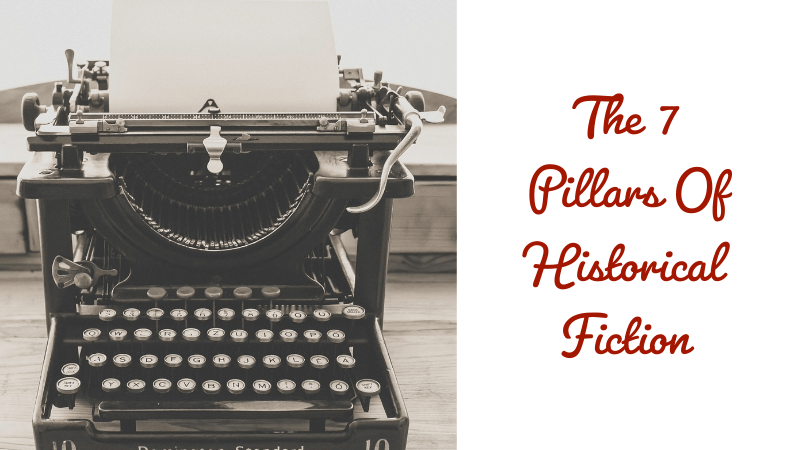
The 7 Pillars Of Historical Fiction

Are you a fan of historical fiction? Would you like to write a historical novel on your own? In this post, we define the 7 pillars of historical fiction to help you on your way.

This is part of a series exploring the pillars of literary genres. Previously, we have written about:

  1. The 3 Pillars Of Horror
  2. The 4 Pillars Of Fantasy
  3. The 4 Pillars Of Romance
  4. The 5 Pillars Of Family Sagas
  5. The 5 Pillars Of Thrillers
  6. The 4 Pillars Of Literary Fiction
  7. The 4 Pillars Of Science Fiction
  8. The 5 Pillars Of Police Procedurals
  9. The 4 Pillars Of New Adult Fiction
  10. The 4 Pillars Of A Memoir
  11. The 5 Pillars Of Action-Adventure
  12. The 4 Pillars Of Magic Realism
  13. The 6 Pillars Of Westerns
  14. The 4 Pillars Of Women’s Fiction
  15. The 7 Pillars Of Historical Fiction

In this post, we will explore the seven pillars of historical fiction.

What Is Historical Fiction?

The Historical Novel Society defines the genre as describing events set at least 50 years in the past.  The author must write from research rather than personal experience. That excludes most autobiographical fiction.

According to Wikipedia, historical fiction is ‘a literary genre in which a fictional plot takes place in the setting of particular real historical events.’ This places this particular genre somewhat between a documentary and a completely fictional story.

This is exactly what creates its secret of success. Usually, readers of historical fiction are very interested in history. They could read a factual history book. They don’t because they love how historical fiction makes history come alive. Let’s look at how it’s done.

Some Great Examples Of Historical Fiction

  1. All The Light We Cannot See by Anthony Doerr
  2. Gone With The Wind by Margaret Mitchell
  3. The Name Of The Rose by Umberto Eco
  4. War And Peace by Leo Tolstoy
  5. Waverley by Sir Walter Scott
  6. The Hunchback of Notre Dame by Victor Hugo
  7. The Last Of The Mohicans by James Fenimoore Cooper
  8. Eagles of the Empire series by Simon Scarrow
  9. Wolf Hall by Hilary Mantel
  10. The Other Boleyn Girl by Philippa Gregory
  11. Wars of the Roses Series by Conn Iggulden
  12. Memoirs of a Geisha by Arthur Golden

The 7 Pillars of Historical Fiction 

Pillar #1 – Choose An Era

It is impossible to write about history as such. You must narrow it down. Choose an era that interests you personally, as you will spend a lot of time with it.

Consider that the market of historical fiction is vast. Some chapters of history have been covered extensively. You might want to avoid those, as it would make it harder for you to place your book on the market.

Once you’ve chosen your era, you can set to work.

Pillar #2 – Extensive Research

Readers of historical fiction already know a lot about history. They’ve watched all the documentaries. They’ve read all the books. As a writer, you need to compete with that knowledge!

Writers need to know more than the historical facts. You need to go to the library and delve into the archives. You need to visit historical sites. You need to become a historical detective. Here’s a post to help you with that research. Writers of historical fiction can easily spend years researching.

If you don’t do your homework properly, readers will find out. They will put your book away and never open it again. To avoid this, look at the next pillar.

Pillar #3 – Historical Accuracy

Historical accuracy is a must in this genre. But how do you achieve it? By treating the era you’ve chosen as the setting of your novel. This means you need to provide the reader with the correct details of everyday life. What clothes did people wear? What did they eat? What were some of the customs and social norms? Last, but not least: you need to know the language they would choose.

Here’s an example: Conan Doyle’s stories about Sherlock Holmes are set in the Victorian era. Let’s say I were to write a story about a fictional companion of Holmes. My detective couldn’t wear a baseball cap. That headgear is much too 20th-century. Men at the time wore a top hat, for example, or Holmes’s iconic deerstalker. How would they greet each other? Would they say, ‘What’s up?’ No, their greeting would be much more formal, like ‘Good Day.’ That’s the extent of historical accuracy.

[Top Tip: If you’re looking for help with setting, buy our Setting Up The Setting Workbook.]

Pillar #4 – Know Where To Take Creative Liberties

The main rule of historical fiction is that you need to stay within the historical framework provided by the facts. Known historical figures cannot act out of character.

When you do your research, note which questions about your chosen era have been answered extensively. Those are the topics that will get you in trouble when you bend the truth. So, when you write about the Tudor era, don’t question how many wives King Henry VIII had. We know. These are the major historical events that should take place off-stage.

Instead, look for questions that haven’t been asked yet. Those provide unique angles that grant you the leeway you want as an author. To stick with our example, ask if there had been a fictional duke in the Tudor era who had more wives than Henry VIII? Or: what did the priest think who married Henry to all his wives?

Pillar #5 – Strong Characters

Readers of historical fiction want history to come alive for them. The easiest way for authors to achieve this is to devise an exciting setting (see above) and a cast of strong characters.

Characters may include real historical figures. Usually, historical fiction weaves them into the background. Your main character should be fictional. Let this individual grant us first-hand experience of the period with all its struggles, confines, and joys.

Ellis Peters’ Cadfael series is a great example of this. These books show us Brother Cadfael, a medieval monk. He used to be a crusader and has travelled extensively. He solves crimes within the restricted possibilities of medieval science. In the Cadfael books, we also learn a lot about the everyday life of a monk in the Middle Ages!

Remember that action defines character. So, make sure you include enough plot to make your characters develop. Let us in on their inner thoughts by using more showing, rather than telling (here’s a blog to help you with ‘show, don’t tell’).

Pillar #6 – Sound Authentic

Finding the right tone for your historical novel will be a challenge. Your text needs to sound authentic, as if it had been written in your chosen period. The reader needs to believe your story really could have happened at the time.

Setting and diction help with that. Yet the writer of historical fiction needs to find the right tone. It needs to sound authentic, but it also needs to be modern enough to enable readers to understand the text. At best, the historical novelist is a translator between the past and the present, not just in subject matter, but also in language.

Let’s go back to the Brother Cadfael series. Cadfael, being a medieval monk, would have spoken in Middle English. That’s the language of Geoffrey Chaucer and the Canterbury Tales. How many people can read that in the original? Not too many. That’s why Ellis Peters created a character who is well-travelled. He’s been through a lot of hardship as a crusader. He would sound different from any typical speaker of Middle English anyway. That makes it easy to slip in the occasional modern phrase. On the whole, Cadfael speaks in modern English, yet in a formal register with an old-fashioned diction and syntax.

Here’s an example: In the book, The Leper of St. Giles, Cadfael talks about the crusades: ‘After the killing that was done in Jerusalem, of so many who held by the Prophet, I say they deserved better luck against us than they had.’

Cadfael’s complex syntax makes him sound Latinate, like any monk of the period should. So, the use of Latinate diction and syntax, and a few old-fashioned words, is enough to conjure up the illusion of medieval speech. He sounds authentic.

You can achieve this for your chosen era by reading extensively – not just fiction but also historical documents, newspapers, pamphlets, and magazines. Make sure you expose yourself to a wide variety of speech samples.

Pillar #7 – Universal Themes

Historical fiction addresses universal themes that resonate with readers across time. These themes may include love, identity, loss, suffering, power struggles, and social change.

In a sense, this is true for all great literature. Yet reading about these themes in historical fiction shows the readers how relevant they still are. Also, it’s often easier for readers to deal with difficult conflicts when they’re set in the past.

The Last Word

Historical fiction is a great genre. And it exists in so many subgenres! Blending historical fiction with romance, sci-fifantasy, or even time travel gives you more creative liberty.

  1. For example, the Netflix series ‘Travelers’ sends agents to travel back in time, altering historical events to prevent the apocalypse. Each episode lets them end up in a different time period. The whole series shows what happens when authors apply the question ‘What if?’ to history. By the way, this genre is called ‘alternate history.’
  2. Genevieve Cogman’s Invisible Library series blends fantasy elements with time-travel and alternate history with historical fiction. This might sound like a wild mix, but I would definitely recommend reading it!

Further Reading

Susanne Bennett

By Susanne Bennett. Susanne is a German-American writer who is a journalist by trade and a writer by heart. After years of working at German public radio and an online news portal, she has decided to accept challenges by Deadlines for Writers. Currently she is writing her first novel with them. She is known for overweight purses and carrying a novel everywhere. Follow her on Facebook.

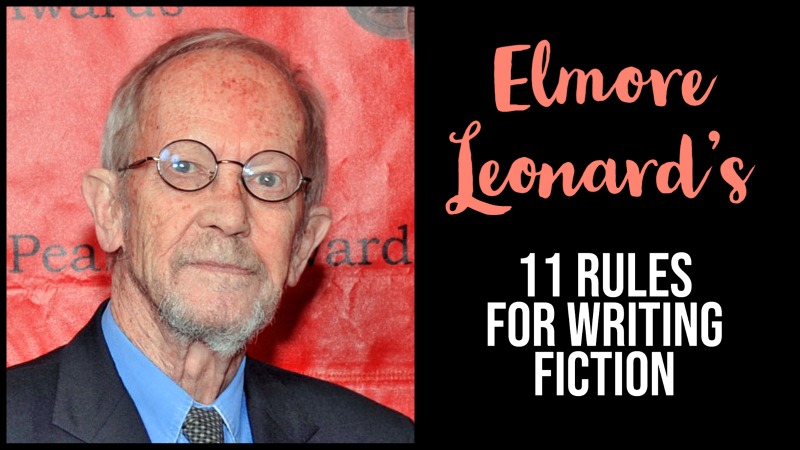
Elmore Leonard’s 11 Rules For Writing Fiction

In this post, we’ve included author and screenwriter Elmore Leonard’s 11 rules for writing fiction.

Elmore Leonard was an American novelist, short story writer, and screenwriter. He was born 11 October 1925 and died 20 August 2013.

He started writing Westerns, but went on to specialise in crime fiction and thrillers, many of which were adapted for film.

His best-known works are Get ShortyOut of SightPronto: A Novel52 PickupThe Complete Western Stories of Elmore Leonard, and Rum Punch, which was filmed as Jackie Brown. He was born 11 October 1925 and died 20 August 2013.

He was a recipient of the National Book Foundation’s Medal for Distinguished Contribution to American Letters, the Lifetime Achievement Award from PEN USA, and the 1992 Grand Master Award for Lifetime Achievement of the Mystery Writers of America.

He was well known for creating funny, detailed, well-paced stories featuring criminals. He was also known for writing incredibly realistic dialogue.

Elmore Leonard’s 11 Rules For Writing Fiction

  1. Never open a book with weather. If it’s only to create atmosphere, and not a charac­ter’s reaction to the weather, you don’t want to go on too long. The reader is apt to leap ahead look­ing for people. There are exceptions. If you happen to be Barry Lopez, who has more ways than an Eskimo to describe ice and snow in his book Arctic Dreams, you can do all the weather reporting you want.
  2. Avoid prologues: they can be ­annoying, especially a prologue ­following an introduction that comes after a foreword. But these are ordinarily found in non-fiction. A prologue in a novel is backstory, and you can drop it in anywhere you want. There is a prologue in John Steinbeck’s Sweet Thursday, but it’s OK because a character in the book makes the point of what my rules are all about. He says: ‘I like a lot of talk in a book and I don’t like to have nobody tell me what the guy that’s talking looks like. I want to figure out what he looks like from the way he talks.’
  3. Never use a verb other than ‘said’ to carry dialogue. The line of dialogue belongs to the character; the verb is the writer sticking his nose in. But ‘said’ is far less intrusive than ‘grumbled’, ‘gasped’, ‘cautioned’, ‘lied’. I once noticed Mary McCarthy ending a line of dialogue with ‘she asseverated’ and had to stop reading and go to the dictionary.
  4. Never use an adverb to modify the verb ‘said’ … he admonished gravely. To use an adverb this way (or almost any way) is a mortal sin. The writer is now exposing himself in earnest, using a word that distracts and can interrupt the rhythm of the exchange. I have a character in one of my books tell how she used to write historical romances ‘full of rape and adverbs’.
  5. Keep your exclamation points ­under control. You are allowed no more than two or three per 100,000 words of prose. If you have the knack of playing with exclaimers the way Tom Wolfe does, you can throw them in by the handful.
  6. Never use the words ‘suddenly’ or ‘all hell broke loose’. This rule doesn’t require an explanation. I have noticed that writers who use ‘suddenly’ tend to exercise less control in the application of exclamation points.
  7. Use regional dialect, patois, sparingly. Once you start spelling words in dialogue phonetically and loading the page with apos­trophes, you won’t be able to stop. Notice the way Annie Proulx captures the flavour of Wyoming voices in her book of short stories Close Range.
  8. Avoid detailed descriptions of characters, which Steinbeck covered. In Ernest Hemingway’s Hills Like White Elephants, what do the ‘Ameri­can and the girl with him’ look like? ‘She had taken off her hat and put it on the table.’ That’s the only reference to a physical description in the story.
  9. Don’t go into great detail describing places and things, unless you’re Margaret Atwood and can paint scenes with language. You don’t want descriptions that bring the action, the flow of the story, to a standstill.
  10. Try to leave out the part that readers tend to skip. Think of what you skip reading a novel: thick paragraphs of prose you can see have too many words in them.
  11. My most important rule is one that sums up the 10: If it sounds like writing, I rewrite it.

Source for rules

by Amanda Patterson

The Greatest Fictional World Builders: Frank Herbert

This is the sixth post in a series on the greatest fictional world builders and how they can teach you to write. Our sixth fictional world builder is Frank Herbert.

Welcome to the sixth post in my greatest fictional world builders series. This series is a reference and a resource for writers who are building their own worlds.

We started with Terry Pratchett and J.R.R. Tolkien. Then, we moved on to Robin HobbJ.K. Rowling, and George Lucas. In this post, we feature Frank Herbert.

Frank Herbert is the most thorough world builder. He is best known for his book Dune – a work of fiction that Arthur C. Clarke would call The Lord of the Rings of Science Fiction. He was born 8 October 1920, and died 11 February 1986.

While that is quite the accolade, Dune is so much more than that. In this article we will explore this, find out what made this work so unique, and how it changed Science Fiction forever.

The Greatest Fictional World Builders

Number 6 – Frank Herbert

Source: dunenovels.com Photo courtesy of Byron Merritt

1. What He Did

Frank Patrick Herbert Jr. created the most complex work of Science Fiction ever to be read by more than just an editor. Foundation is a close second, lest Asimov fans feel slighted. However, they are very different books.

The Dune Series takes place over the course of several thousand years with only one character making an appearance in all the books, or at least his clones do.

The books deal with increasingly complex ideas about humanity and what it means to be human. For example, just being born does not grant a person the right to be thought of as a human.

Throughout the first three books, Paul, the protagonist, must struggle with the idea that what he is doing is evil and he knows it.

However, since he has been blessed with future-sight, he knows that it is also the right thing to do for the human species. Even though he knows it will damn humanity to thousands of years of cruelty, war, and worse.

The Galaxies

Dune’s universe is vast. The empire covers thousands of galaxies and countless billions of star systems. However, all the action happens on the most important planet, Dune.

Dune, or Arakis, to the off-worlders, is a desert planet with the most valuable substance in the universe – Spice. All the great powers of this empire vie for control of it.

Dune is action-packed and quite violent. But, it’s not about the action. It is about philosophy and psychology. It is about the long-term goals of the human race. It is also about how to run, and how to destroy, empires.

Computers are banned on Dune due to an Artificial Intelligence uprising that probably destroyed the Earth.

Rich people have human computers that help them do all their calculations. These are specially-bred men and women, Mentats, who have the important duty of not making mistakes. They calculate trajectories of space ships, they keep the stock market running, and they make complex models of molecules. They make modern civilisation possible.

But, without the Spice none of this would be possible. The Spice lengthens a human’s life. It makes their mind fast enough to calculate inter-dimensional warp jumps though subspace. It lets them predict the future. And it allows our protagonist, Paul to see the future with perfect accuracy.

He can see the consequences of his every action. He knows how and when he will die, and everything that will happen after that.

At one point, he loses his eyes. But, because he can see every consequence of every action, there is nothing that can “trip” him up, so to speak.

Everything about Dune is fascinating. Some of it is disgusting. Some of it is horrific. But, all of it will leave you with the pleasant experience of having a new thought for the first time.

Planning the book

Dune was going to be a short article for Oregon Dunes magazine about climate change, but he ended up with too much material and missed his deadline.

At the same time, he and his wife became friends with a couple who were psychologists. They would introduce Herbert to many historical and academic thinkers that shaped the ideas in Dune.

He was able to write full-time, thanks to his wife, and expanded the research he had done into a 412-page novel.

Nevertheless, the book took six years of research and planning to complete. It was published in three parts in Analogue magazine followed by a five part sequel. These two series would go on to become Dune and Prophet of Dune.

Planning the world

Herbert did not simply plan for the plot. He built his world. I mean he really considered what made it work. Dune is famous for its giant sandworms, but Herbert wanted them to make sense. He made them the reason that the planet Dune was all desert.

He made the sand worms the cause of the planet’s ecology. The worms made the Spice that people used to extend their lives and sharpen their minds. This made the planet worth fighting over.

The worms consumed the planet’s water in their larval stages, but were poisoned by it after that. This explains the deserts. But, they also made the oxygen needed for human life as a by-product. This explains how the planet could sustain so many humans and be a desert wasteland.

The worms explain why this world was so dangerous and home to harsh nomadic tribes and not gentle pastoral peoples. They were territorial and would eat anything they could sense moving on the sands. So, people could not move about normally and they had to be careful in harvesting the Spice or even walking in the desert.

The ecology of this harsh planet made these people, the Fremen, tough and warlike. Their world was a place of death, of life on the brink of nothingness. They did not cry for the dead, because that would waste water. To avoid attracting sand worms, they learnt to control their bodies perfectly so they would not sound like walking humans on the dunes, but like sifting sand instead.

They were efficient in their movements and deliberate in all their actions, which helped them in fights. Generations of conditioning on this world had removed the slow, the lazy, and the stupid from their gene-pool. Their psychology was fully able to deal with the harsh realities of life.

Thus, when Paul needed an army to win his war, they were the perfect candidates.

There is no hand waving for Herbert. Everything was planned and, for the most part, made perfect sense. The magic-like Spice is even explained at length in later books.

2. Why He Did It

Herbert was a journalist, and later a speech writer, and he just could not help wanting to write.

After failing to complete his Creative Writing Course at University, he went back to journalism. He began reading everything in Science Fiction. After about ten years (one might say the equivalent of a good post-grad degree), he wanted to write.

He began selling short stories to magazines. He had a number of minor successes, but nothing that made any money.

Until DuneDune is the kind of book that is given to an author like some kind of divine blessing. Nothing like it existed before. And, for Herbert, nothing he did afterwards would achieve that level of popularity.

For the rest of his life, he would be consumed with expanding the world. Even after his death, his son published dozens of novels based on the notes he left about his world.

There was just so much to this world that it did not even rely on characters to move the story forward. If felt like the universe he made was out there doing things, and it was just so big that it could not be controlled.

Things happen in Dune because they make sense, not because the author needs them to finish the story. This is something all authors should aim for.

3. When He Did It

Herbert wrote Dune in the 1960s over the course of six years.

It was a stable time for the world and Herbert. His wife provided for the family and he wrote.

However, we can see the impact of The Cold War and the after-effects of World War II in Dune.

The world of Dune exists in a stable state of continuous war. Dune follows a period of human history where humans were almost wiped out by the machines they created. This is perhaps a reference to World War II.

And, there is a constant state of espionage and subterfuge at play in Dune. This is characteristic of The Cold War period.

However, it is more important that he wrote it after AsimovHeinlein, and Anderson. The Foundation series by Asimov is particularly relevant and Dune can be seen as a reaction against the cold, number-driven plot of Foundation.

Heinlein and Anderson set the tone for Dune.

4. Who He Did It For

I don’t think he wrote the book for anyone in particular. I think he wrote against a number of cultural forces in American society.

Dune is concerned with making religion make sense. Herbert would find useful elements of Zen Buddhism, Catholicism, Islam, and others, and squash them into a scientific order of female nuns –the Bene Gesserts.

They would use the tools of religion to control the course of human evolution. This is the foundation of the plot. And the most similar element to Asimov’s Foundation

He used Islamic ideas and words to suggest the nomadic nature of the Freman, a people who had to endure a great deal of suffering. However, all religion in the Dune universe is just a front for the Bene Gesserit order. We learn that they are playing all side of every conflict.

Until they create Paul and things start to go wrong for them.

As well as critiquing religion, he was deeply concerned with the environment and how our world would be a “sand worm”-eaten desert without proper ecological management.

He creates a character for just this purpose, Liet Kynes, who has spent his long life secretly working with the Fremen to repair Dune’s ecology from those who would simply exploit it for the precious Spice.

Spice is probably a metaphor for oil in our world. Our all-consuming need for it has destroyed an entire region of Earth and is making our world uninhabitable.

5. So, What Do I Need To Read/Watch/Play?  

1. Dune 1965

The novel that launched the most thought-provoking novel in Science Fiction is a rite of passage for anyone who considers themselves well-read.

It introduced the word Ecology to the English language. It has also inspired many academics and sociologists to make it their field of expertise.

If you read Dune, you will leave with an education that is worth something.

While I love Lord of the RingsDune is not simply the Sci-Fi version. The most you will leave Lord of the Rings with is a healthy morality and a desire to eat like a Hobbit. Dune may actually open your mind to a wide range of thoughts. Personally, it helped me put my life into the correct perspective during a difficult time, which I am very grateful for.

Don’t base your moral code around this book unless you are a sociopath.

2. Dune Film

The David Lynch film is a famous work of art in its own right. I remember being traumatised by it in English Class. It is not anything like the book and will not give you any insights into Frank Herbert.

David Lynch who made Eraserhead and Elephant Man is better suited to body horror and surrealist film than a serious meditative work of fiction. The film lost a tremendous amount of money. Lynch was reportedly impossible to reason with, leaving neither himself, the producer, nor Herbert happy with the result.

However, as one of the most expensive work of “experimental” Sci-Fi horror ever made, it is taught for its unique style in film school.

3. Frank Herbert’s Dune – Television

The Syfy (that is how they “spell” it) Channel made a three-part miniseries that won two Emmys.

It is a much better adaptation. It was cutting edge with a modern feeling when it came out. Looking back, the special effects are now… cute but it gets the overall idea of Dune and is worth a watch.

Note: It does dumb the story down and you don’t get the depth of thought and complex ideas that went into the original book. I suggest reading the book and then enjoying this for what it is.

4. Dune Video Game

I don’t often speak about video games, but the Dune II Video Game (1992) by Westwood was notable for inventing the Real Time Strategy genre. It is considered one of the most influential games of all time.

Its combination of story, acting, and strategy have shaped the way games are created.

6. The Last Word

If Dune is the only Science Fiction book you ever read it might just be enough to keep you from embarrassing yourself at dinner parties with your nerdier friends.

It contains the best and worst thoughts on human civilisation, as well as scathing criticisms on everything you hold dear and to be true. You can only grow from reading this masterpiece.

Why Emotional Excess is Essential to Writing and Creativity – The Marginalian.

The third volume of Anaïs Nin’s diaries has been on heavy rotation in recent weeks, yielding Nin’s thoughtful and timeless meditations on lifemass movementsParis vs. New Yorkwhat makes a great city, and the joy of handicraft.

The subsequent installment, The Diary of Anais Nin, Vol. 4: 1944-1947 (public library) is an equally rich treasure trove of wisdom on everything from life to love to the art of writing. In fact, Nin’s gift shines most powerfully when she addresses all of these subjects and more in just a few ripe sentences.

Anais Nin

Such is the case with the following exquisite letter of advice she sent to a seventeen-year-old aspiring author by the name of Leonard W., whom she had taken under her wing as creative mentor. Nin writes:

I like to live always at the beginnings of life, not at their end. We all lose some of our faith under the oppression of mad leaders, insane history, pathologic cruelties of daily life. I am by nature always beginning and believing and so I find your company more fruitful than that of, say, Edmund Wilson, who asserts his opinions, beliefs, and knowledge as the ultimate verity. Older people fall into rigid patterns. Curiosity, risk, exploration are forgotten by them. You have not yet discovered that you have a lot to give, and that the more you give the more riches you will find in yourself. It amazed me that you felt that each time you write a story you gave away one of your dreams and you felt the poorer for it. But then you have not thought that this dream is planted in others, others begin to live it too, it is shared, it is the beginning of friendship and love.

[…]

You must not fear, hold back, count or be a miser with your thoughts and feelings. It is also true that creation comes from an overflow, so you have to learn to intake, to imbibe, to nourish yourself and not be afraid of fullness. The fullness is like a tidal wave which then carries you, sweeps you into experience and into writing. Permit yourself to flow and overflow, allow for the rise in temperature, all the expansions and intensifications. Something is always born of excess: great art was born of great terrors, great loneliness, great inhibitions, instabilities, and it always balances them. If it seems to you that I move in a world of certitudes, you, par contre, must benefit from the great privilege of youth, which is that you move in a world of mysteries. But both must be ruled by faith.

The Diary of Anais Nin, Vol. 4 is brimming with such poetic yet practical sagacity on the creative life and is a beautiful addition to other famous advice on writing like Kurt Vonnegut’s 8 rules for a great story, David Ogilvy’s 10 no-nonsense tips, Henry Miller’s 11 commandments, Jack Kerouac’s 30 beliefs and techniques, John Steinbeck’s 6 pointers, and Susan Sontag’s synthesized learnings.

31 Writing Prompts for October

31 Writing Prompts For October 2025

Writers Write shares writing prompts and writing resources. Use these writing prompts for October 2025 to get you writing.

Hello Writer

This month, we are talking about common mistakes and typos and other things that make you look like an amateur. In 2023, we focused on building habits, beating procrastination and improving discipline. In 2024, we worked on our novels and improved our craft. This year, we are taking a closer look at editing, specifically self-editing. It is an essential skill every writer needs to master, but man, being objective and cutting down your own work is hard.

Along with a short editing lesson, you will also receive your monthly prompts as usual. Editing is definitely second-draft stuff. Use the prompts to free write, THEN try to apply the editing suggestions. This is optional.

https://imasdk.googleapis.com/js/core/bridge3.722.1_en.html#deid=%22%22&eventfe_experiment_ids=%5B%5D&fid=%22goog_612858144%22&genotype_experiment_data=%7B%22experimentStateProto%22%3A%22%5B%5B%5B45676505%2Cnull%2Cnull%2C%5B1%5D%5D%2C%5B45713128%2Cnull%2Cnull%2C%5B%5D%5D%2C%5B45669828%2Cnull%2Cnull%2C%5B1%5D%5D%2C%5B45669829%2Cnull%2Cnull%2C%5B1%5D%5D%2C%5B45681221%2Cnull%2Cnull%2C%5B1%5D%5D%2C%5B45706221%2Cnull%2Cnull%2C%5B1%5D%5D%2C%5B745691018%2Cnull%2Cnull%2C%5B1%5D%5D%2C%5B45722344%2Cnull%2Cnull%2C%5B%5D%5D%2C%5B45706017%2Cnull%2Cnull%2C%5B%5D%5D%2C%5B45677285%2Cnull%2Cnull%2C%5B1%5D%5D%2C%5B45668885%2Cnull%2Cnull%2C%5B%5D%5D%2C%5B45685340%2Cnull%2Cnull%2C%5B%5D%5D%2C%5B45663239%2Cnull%2Cnull%2C%5B%5D%5D%2C%5B45642592%2Cnull%2Cnull%2C%5B1%5D%5D%2C%5B45715032%2Cnull%2Cnull%2C%5B1%5D%5D%2C%5B45661356%2Cnull%2Cnull%2C%5B%5D%5D%2C%5B45676441%2Cnull%2Cnull%2C%5B%5D%5D%2C%5B45675307%2Cnull%2Cnull%2C%5B1%5D%5D%2C%5B45675308%2Cnull%2Cnull%2C%5B1%5D%5D%2C%5Bnull%2C45645574%2Cnull%2C%5B%5D%5D%2C%5B45702384%2Cnull%2Cnull%2C%5B%5D%5D%2C%5B45726365%2Cnull%2Cnull%2C%5B1%5D%5D%2C%5B45692337%2Cnull%2Cnull%2C%5B1%5D%5D%2C%5B45688859%2Cnull%2Cnull%2C%5B%5D%5D%2C%5B45656766%2Cnull%2Cnull%2C%5B%5D%5D%2C%5B45710689%2Cnull%2Cnull%2C%5B%5D%5D%2C%5B45710688%2Cnull%2Cnull%2C%5B%5D%5D%2C%5B45685601%2Cnull%2Cnull%2C%5B%5D%5D%2C%5Bnull%2C45685602%2Cnull%2C%5Bnull%2C500%5D%5D%2C%5B775241416%2Cnull%2Cnull%2C%5B%5D%5D%2C%5B781107959%2Cnull%2Cnull%2C%5B%5D%5D%2C%5B781107958%2Cnull%2Cnull%2C%5B%5D%5D%2C%5B792614055%2Cnull%2Cnull%2C%5B%5D%5D%2C%5B781107957%2Cnull%2Cnull%2C%5B%5D%5D%2C%5B45697157%2Cnull%2Cnull%2C%5B1%5D%5D%2C%5B45658982%2Cnull%2Cnull%2C%5B%5D%5D%2C%5B45725657%2Cnull%2Cnull%2C%5B%5D%5D%5D%2C%5B%5B16%2C%5B%5B1%2C%5B%5B31089630%5D%2C%5B31089631%2C%5B%5B45668885%2Cnull%2Cnull%2C%5B1%5D%5D%5D%5D%5D%5D%2C%5B50%2C%5B%5B31092099%5D%2C%5B31092100%2C%5B%5Bnull%2C749060184%2Cnull%2C%5Bnull%2C100%5D%5D%5D%5D%5D%5D%2C%5B1%2C%5B%5B31094192%5D%2C%5B31094193%2C%5B%5B775241416%2Cnull%2Cnull%2C%5B1%5D%5D%5D%5D%5D%5D%2C%5B1000%2C%5B%5B95332046%5D%5D%5D%2C%5Bnull%2C%5B%5B95332047%5D%5D%5D%2C%5B10%2C%5B%5B95333808%5D%2C%5B95333809%2C%5B%5B635466687%2Cnull%2Cnull%2C%5B1%5D%5D%5D%5D%5D%5D%2C%5B10%2C%5B%5B95338769%2C%5B%5Bnull%2C45645574%2Cnull%2C%5Bnull%2C1%5D%5D%5D%5D%2C%5B95338770%2C%5B%5Bnull%2C45645574%2Cnull%2C%5Bnull%2C2%5D%5D%5D%5D%5D%5D%2C%5B10%2C%5B%5B95345206%5D%2C%5B95345207%2C%5B%5B45661356%2Cnull%2Cnull%2C%5B1%5D%5D%5D%5D%5D%5D%2C%5B10%2C%5B%5B95346932%5D%2C%5B95346933%2C%5B%5B45663239%2Cnull%2Cnull%2C%5B1%5D%5D%5D%5D%5D%5D%2C%5Bnull%2C%5B%5B95351425%5D%2C%5B95351426%2C%5B%5B45676441%2Cnull%2Cnull%2C%5B1%5D%5D%5D%5D%5D%5D%2C%5B10%2C%5B%5B95356068%5D%2C%5B95356069%2C%5B%5B45685601%2Cnull%2Cnull%2C%5B%5D%5D%2C%5Bnull%2C45685602%2Cnull%2C%5B%5D%5D%5D%5D%2C%5B95356070%2C%5B%5B45685601%2Cnull%2Cnull%2C%5B1%5D%5D%2C%5Bnull%2C45685602%2Cnull%2C%5B%5D%5D%5D%5D%2C%5B95356071%2C%5B%5B45685601%2Cnull%2Cnull%2C%5B1%5D%5D%2C%5Bnull%2C45685602%2Cnull%2C%5Bnull%2C100%5D%5D%5D%5D%5D%5D%2C%5B100%2C%5B%5B95364127%5D%2C%5B95364128%2C%5B%5B45706017%2Cnull%2Cnull%2C%5B1%5D%5D%5D%5D%5D%5D%2C%5B100%2C%5B%5B95365753%2C%5B%5B45710689%2Cnull%2Cnull%2C%5B1%5D%5D%5D%5D%2C%5B95365754%2C%5B%5B45710688%2Cnull%2Cnull%2C%5B1%5D%5D%5D%5D%5D%5D%2C%5Bnull%2C%5B%5B95366606%5D%2C%5B95366607%2C%5B%5B45713128%2Cnull%2Cnull%2C%5B1%5D%5D%5D%5D%5D%5D%2C%5B50%2C%5B%5B95369596%5D%2C%5B95369597%2C%5B%5B45692337%2Cnull%2Cnull%2C%5B%5D%5D%5D%5D%5D%5D%2C%5Bnull%2C%5B%5B95370402%5D%2C%5B95370403%2C%5B%5B45722344%2Cnull%2Cnull%2C%5B1%5D%5D%5D%5D%5D%5D%2C%5B5%2C%5B%5B95371971%5D%2C%5B95371972%2C%5B%5B45725657%2Cnull%2Cnull%2C%5B1%5D%5D%5D%5D%5D%5D%2C%5B10%2C%5B%5B95372277%5D%2C%5B95372278%2C%5B%5Bnull%2C745150931%2Cnull%2C%5Bnull%2C1%5D%5D%5D%5D%5D%5D%2C%5B1%2C%5B%5B95373378%2C%5B%5B792614055%2Cnull%2Cnull%2C%5B1%5D%5D%5D%5D%2C%5B95373379%2C%5B%5B781107959%2Cnull%2Cnull%2C%5B1%5D%5D%2C%5B792614055%2Cnull%2Cnull%2C%5B1%5D%5D%2C%5B781107957%2Cnull%2Cnull%2C%5B1%5D%5D%5D%5D%5D%5D%5D%5D%5D%2Cnull%2Cnull%2C%5Bnull%2C1000%2C1%2C1000%5D%5D%22%7D&imalib_experiments=%5B44754608%2C95322027%2C95331589%2C31092099%2C95332046%2C95356071%2C95365753%5D&managed_js_experiment_id=0&pvsid=4630230916689996

If this is your first time using prompts, you can learn more about freewriting here.

Spelling And Other Mistakes

Spelling and silly mistakes

This is my most hypocritical post because I cannot spot typos for the life of me, but I have learned to pay attention to a few common culprits.

Words that sound the same:  

The challenge is your spellchecker isn’t going to pick these up: they’re, their, and there or to, two, and too. Be sure to double-check.

Redundancies:

We don’t need these: a smile on her face (smiles are only ever on your face), shrugs his shoulders (we don’t shrug our knees).

Tenses:

Your spellchecker won’t pick these up either. Check carefully that you don’t switch tenses. I tend to switch when I write dialogue. I don’t know why, but I know to check it.

UK spelling vs US spelling:

Choose one set of spelling rules and stick to it. Both are accepted, but not in the same document.

Homework

Use the prompt to freewrite. Once you are done with the first draft, see if you can spot any of these mistakes in your work.

Next month, we’ll start looking at the tools we use to edit.

31 Writing Prompts For October 2025

Download your prompts here: 31 Writing Prompts For October 2025

Do you want a daily prompt?

If you would rather have a free daily writing prompt from us, sign up here: Join Our Newsletter

Make the most of your writing prompts. Read How To Use Writing Prompts

Happiness

Mia

by Mia Botha

Tom Dunphy – Everything Was New Reviewed by Ian Gifford

Released April 2025
Reviewed by Ian Gifford 09/27/2025

It’s been a while since I’ve penned an album review, but sometimes you just need the right album to come along to inspire the writing bug, and Tom Dunphy’s debut solo release, Everything Was New, is one such album. I’ve been thinking about it since I first dropped the needle and decided that it’s something that should be shared.

As one half of the husband and wife writing duo for London’s favourite Honky Tonk band, The Rizdales, Tom is no stranger to writing a great song. This collection features five fresh Tom Dunphy originals, as well as some reworked tracks and a single cover song. The album is a stripped-back classic country record with songs that sound like they could have been written by Marty, Merle, Hank, or Willie themselves, but with Tom’s unique vocal styling. Tom covers the acoustic guitar and upright bass duties deftly, with the added talents of Toronto session stars, Steve Briggs on electric guitar and Burke Carroll on lap steel (both of the Brothers Cosmoline/BeBop Cowboys).

This overall tone is in stark contrast to the rocking Rizdales sounds we are used to, but is reminiscent of the early writers that inspired that sound. The no drums approach, coupled with the lightly strummed acoustic guitar and twangy colourings of the Telecaster and the steel, takes you back to the early days of the Grand Ole Opry and the records that were getting the artists there! It feels like Tom could have been born in a different era, yet he writes with contemporary themes and issues at heart.

Highlights for me are the first single, the lively “You Make me Shake” or “September is Gone” which provides some vivid images of the autumn and the striking line “They say new life begins with the spring, ours will begin with the fall”; and the rework of Tom’s old band’s single The Juke Joint Johnny’s’ – “Leaving Train” which has had new life breathed into it by both Steve and Burke’s contributions.

This album is true country music that reaches the same passion and emotions as its American predecessors. While it contains the expected themes of breakups and beer drinking, it’s never hokey or kitschy, it’s just a good listen from front to back, of some well written and well executed tunes, where even the lone cover (“Song to a Dead Man” by T-Bone Burnett), which the album is named after a line of, doesn’t seem out of place.

If I had to give it a Star Rating, it would be 5 Stars, because I simply can’t find anything wrong with it. It’s a record I could play over and over again and be transported to some old diner in Nashville at 3:00 am, with the jukebox gently humming in the corner.

Follow on Facebook https://www.facebook.com/tdandthecoldhardfacts

Follow on Facebook https://www.rizdales.com/tomdunphy

Reviewed by Ian Gifford (Photo Credit: Paul LaTorre)

How To Write A Bestselling Book

Have you ever wondered what it takes to write a bestselling book? And how do you write a bestselling book?

How To Write A Bestselling Book

What makes a book a best-seller?

The gold star of bestseller lists is The New York Times Best Seller list. But trying to get on the list is tricky. Firstly, there is no one defining list. The New York Times has sixteen different lists and the same 10 – 15 books can appear on all of them at the same time.

To even make the grade, you must have sold between 5 000 and 10 000 traditionally published books in one week – Sunday through Saturday – across America through multiple retailers, mostly bookshops.

Apart from the occasional romance book, self-published books don’t stand a chance.

Is it easier to sell non-fiction books? No. The market is far more competitive, and the minimum number of sales needs to be 7500.

Surely there must be more to it than that?

There is, but what that entails, as far as The New York Times is concerned, is a very closely guarded secret.

So what’s a writer to do?

It depends. Are you wanting to stay true to your own voice and write the books you want to read? Or do you want to chase the market?

If you want to chase the market and only write the types of books that are currently selling, it’s important to remember that you must research what books are selling now, write one, find a publisher and then sell your book. Just finding a publisher could take six-months to a year. Once you’ve signed on with a publisher it could take six months to a year before your book hits the bookshop shelves. By then, the Vampire Nuns genre that was selling off-the-chart numbers when you first researched ‘what books are selling now’, has given way to variations of Scotsmen In Mongolia.

I want to stay true to my own voice

Okay then.

In terms of the writing:

  1. Read great books in your genre. Read a lot. Never stop reading.
  2. Come up with as original a plot as you can.
  3. Learn to write really well…
    • Take great courses from reputable companies.
    • Read great ‘how to write’ books.
    • Join writing groups – not just to chill, but to write… a lot and get feedback as this will help improve your writing.
    • Have book discussions with other authors and readers. This matters because it’s while debating the merits of Darcy of Pemberley vs Geralt of Rivia, that you discover what readers understand, prefer, and want, as well as when one type of hero is needed over another.
    • Join writers’ groups preferably in your genre. These are great not just for the comradeship but can also help if a writers’ block falls out the ceiling and hits you on the head rendering you idealess.
    • Join an author crit circle. One with strict ‘kindness’ rules.
    • Go on writing retreats, alone or with other writers who actually want to write.
    • Write as much as possible.
    • Experiment with your writing. Don’t just stick to one genre as exploring other genres, voices, tenses, and word counts, will strengthen your writing muscles. You’re not required to publish these experiments; they are writing gym. Want to write great tension in romance? Practise writing horror stories with very short word counts.
  4. Write a great book.
    • One main plot.
    • Don’t forget sub-plots.
    • Create memorable and relatable characters/scenes/scenarios/locations/choices etc.
    • Write with the audience in mind. If you’re writing romance, you must have an HEA (happy ever after) or a HFN (happy for now) ending, or it won’t qualify as a romance, and readers will be miffed. It’s hard to win back a miffed reader.
    • Avoid cliches.
    • Some advice blogs will tell you to edit for clarity not perfection. I’m not one of them. Edit first for clarity, and then for perfection. In this technologically driven day and age, there is no excuse for typos or incorrect grammar, unless the incorrect grammar is a plot device.
  1. Get alpha reader feedback. Grow a thick skin and become humble and open to hearing criticism and learn what do with it.
  2. Rewrite or edit some more.
  3. Hire an editor for a manuscript appraisal.
  4. Rewrite the book.
  5. Edit until your fingers bleed.
  6. Get beta reader feedback.
  7. Edit some more.
  8. Hire a proof-reader.
  9. If you are self-publishing – Unless you are a trained graphic designer DO NOT design your own cover. Knowing how to use Canva does not make you a designer. The easiest way to tell if a book’s cover was created by a non-designer, is the typography. Hire a designer, preferably one with a portfolio that includes book covers in your genre.
  10. (Optional) Find an excellent agent.
  11. (Optional) Find a publisher.
  12. (Optional) Sign a book contract.

The last three are optional as you may choose to go the self-publishing route.

In terms of ‘bestselling’:

  1. Know that the average book sells no more than five hundred copies in the author’s lifetime.
  2. Know that if you want your book to sell more than that you’re going to have to put in the work, and often potentially a lot of money, into making that happen.
  3. Read as many books as possible on book marketing, Amazon marketing etc., that you can.
  4. Learn about the several types of publishing available to indie-authors and how to avoid the charlatans.
  5. Learn how to recognise and avoid the book launch scams.
  6. Hire a great publicist – get recommendations from other highly successful authors. Look for a publicist that has experience in getting authors and or books known, discussed, and sold through a variety of media.
  7. Launch the book more than once. One book launch does not a bestseller make. Research which kinds of launches are the most successful.
  8. Do continual book promotion and marketing – but not to your friends and family. Not if you want to still be invited to pizza and Netflix evenings.
  9. If you’re going to write a series, write the first three books and launch them all at once. This matters more than you realise.

Keep writing. Even if it’s just one short story a month.

The Last Word

If you’d like to write for childrenyoung adults, or adults, why not sign up for one of the rich and in-depth courses that Writers Write offers to learn how to write the best book you possibly can.

Elaine Dodge

by Elaine Dodge. Author of The Harcourts of Canada series and The Device HunterElaine trained as a graphic designer, then worked in design, advertising, and broadcast television. She now creates content, mostly in written form, including ghost writing business books, for clients across the globe, but would much rather be drafting her books and short stories.

6 Ways To Experiment In Short Stories.

Do you want to try something different in your short story? In this post, we give you 6 ways to experiment in short stories.

One of the best things about a short story is that you have the opportunity to experiment. It gives you the chance to do something you have never done before.

Here is a list of suggestions if you want to try something different. You can use them for any story – not just short stories.

6 Ways To Experiment In Short Stories

  1. Change viewpoint: If you have been writing in the same viewpoint, try a completely different one.
  2. Dialogue only: Flex your dialogue muscles and see if you can tell a complete story with only dialogue.
  3. Descriptions and telling: I am a huge fan of showing, but I need to practise telling too. Try rewriting your story with telling only.
  4. Unreliable narrators and anti-heroes: Try writing a character who isn’t a perfect guy or a hero. If you always write about bad guys, try writing a story about a character with a very strong moral compass.
  5. Different genre: Pick a genre you have never written in before.
  6. Devices: Try adding a new element to your story. Thinks of speeches, emails, letters, diary entries, songs, and recipes.

These are only a few suggestions, and it will be tricky. You may not end up with your best story, but you will have learnt something new and done something different. This is about learning after all.

Happy writing!

Top Tip: If you want to learn how to write a short story, sign up for our online course.

 by Mia Botha

If you enjoyed this post, you will love:

  1. How To Show And Not Tell In Short Stories
  2. How To Make The Most Of Sequels In Short Stories

Top Tip: Find out more about our workbooks and online courses in our shop.