Elmore Leonard’s 11 Rules For Writing Fiction

In this post, we’ve included author and screenwriter Elmore Leonard’s 11 rules for writing fiction.

Elmore Leonard was an American novelist, short story writer, and screenwriter. He was born 11 October 1925 and died 20 August 2013.

He started writing Westerns, but went on to specialise in crime fiction and thrillers, many of which were adapted for film.

His best-known works are Get ShortyOut of SightPronto: A Novel52 PickupThe Complete Western Stories of Elmore Leonard, and Rum Punch, which was filmed as Jackie Brown. He was born 11 October 1925 and died 20 August 2013.

He was a recipient of the National Book Foundation’s Medal for Distinguished Contribution to American Letters, the Lifetime Achievement Award from PEN USA, and the 1992 Grand Master Award for Lifetime Achievement of the Mystery Writers of America.

He was well known for creating funny, detailed, well-paced stories featuring criminals. He was also known for writing incredibly realistic dialogue.

Elmore Leonard’s 11 Rules For Writing Fiction

  1. Never open a book with weather. If it’s only to create atmosphere, and not a charac­ter’s reaction to the weather, you don’t want to go on too long. The reader is apt to leap ahead look­ing for people. There are exceptions. If you happen to be Barry Lopez, who has more ways than an Eskimo to describe ice and snow in his book Arctic Dreams, you can do all the weather reporting you want.
  2. Avoid prologues: they can be ­annoying, especially a prologue ­following an introduction that comes after a foreword. But these are ordinarily found in non-fiction. A prologue in a novel is backstory, and you can drop it in anywhere you want. There is a prologue in John Steinbeck’s Sweet Thursday, but it’s OK because a character in the book makes the point of what my rules are all about. He says: ‘I like a lot of talk in a book and I don’t like to have nobody tell me what the guy that’s talking looks like. I want to figure out what he looks like from the way he talks.’
  3. Never use a verb other than ‘said’ to carry dialogue. The line of dialogue belongs to the character; the verb is the writer sticking his nose in. But ‘said’ is far less intrusive than ‘grumbled’, ‘gasped’, ‘cautioned’, ‘lied’. I once noticed Mary McCarthy ending a line of dialogue with ‘she asseverated’ and had to stop reading and go to the dictionary.
  4. Never use an adverb to modify the verb ‘said’ … he admonished gravely. To use an adverb this way (or almost any way) is a mortal sin. The writer is now exposing himself in earnest, using a word that distracts and can interrupt the rhythm of the exchange. I have a character in one of my books tell how she used to write historical romances ‘full of rape and adverbs’.
  5. Keep your exclamation points ­under control. You are allowed no more than two or three per 100,000 words of prose. If you have the knack of playing with exclaimers the way Tom Wolfe does, you can throw them in by the handful.
  6. Never use the words ‘suddenly’ or ‘all hell broke loose’. This rule doesn’t require an explanation. I have noticed that writers who use ‘suddenly’ tend to exercise less control in the application of exclamation points.
  7. Use regional dialect, patois, sparingly. Once you start spelling words in dialogue phonetically and loading the page with apos­trophes, you won’t be able to stop. Notice the way Annie Proulx captures the flavour of Wyoming voices in her book of short stories Close Range.
  8. Avoid detailed descriptions of characters, which Steinbeck covered. In Ernest Hemingway’s Hills Like White Elephants, what do the ‘Ameri­can and the girl with him’ look like? ‘She had taken off her hat and put it on the table.’ That’s the only reference to a physical description in the story.
  9. Don’t go into great detail describing places and things, unless you’re Margaret Atwood and can paint scenes with language. You don’t want descriptions that bring the action, the flow of the story, to a standstill.
  10. Try to leave out the part that readers tend to skip. Think of what you skip reading a novel: thick paragraphs of prose you can see have too many words in them.
  11. My most important rule is one that sums up the 10: If it sounds like writing, I rewrite it.

Source for rules

by Amanda Patterson

31 Writing Prompts for October

31 Writing Prompts For October 2025

Writers Write shares writing prompts and writing resources. Use these writing prompts for October 2025 to get you writing.

Hello Writer

This month, we are talking about common mistakes and typos and other things that make you look like an amateur. In 2023, we focused on building habits, beating procrastination and improving discipline. In 2024, we worked on our novels and improved our craft. This year, we are taking a closer look at editing, specifically self-editing. It is an essential skill every writer needs to master, but man, being objective and cutting down your own work is hard.

Along with a short editing lesson, you will also receive your monthly prompts as usual. Editing is definitely second-draft stuff. Use the prompts to free write, THEN try to apply the editing suggestions. This is optional.

https://imasdk.googleapis.com/js/core/bridge3.722.1_en.html#deid=%22%22&eventfe_experiment_ids=%5B%5D&fid=%22goog_612858144%22&genotype_experiment_data=%7B%22experimentStateProto%22%3A%22%5B%5B%5B45676505%2Cnull%2Cnull%2C%5B1%5D%5D%2C%5B45713128%2Cnull%2Cnull%2C%5B%5D%5D%2C%5B45669828%2Cnull%2Cnull%2C%5B1%5D%5D%2C%5B45669829%2Cnull%2Cnull%2C%5B1%5D%5D%2C%5B45681221%2Cnull%2Cnull%2C%5B1%5D%5D%2C%5B45706221%2Cnull%2Cnull%2C%5B1%5D%5D%2C%5B745691018%2Cnull%2Cnull%2C%5B1%5D%5D%2C%5B45722344%2Cnull%2Cnull%2C%5B%5D%5D%2C%5B45706017%2Cnull%2Cnull%2C%5B%5D%5D%2C%5B45677285%2Cnull%2Cnull%2C%5B1%5D%5D%2C%5B45668885%2Cnull%2Cnull%2C%5B%5D%5D%2C%5B45685340%2Cnull%2Cnull%2C%5B%5D%5D%2C%5B45663239%2Cnull%2Cnull%2C%5B%5D%5D%2C%5B45642592%2Cnull%2Cnull%2C%5B1%5D%5D%2C%5B45715032%2Cnull%2Cnull%2C%5B1%5D%5D%2C%5B45661356%2Cnull%2Cnull%2C%5B%5D%5D%2C%5B45676441%2Cnull%2Cnull%2C%5B%5D%5D%2C%5B45675307%2Cnull%2Cnull%2C%5B1%5D%5D%2C%5B45675308%2Cnull%2Cnull%2C%5B1%5D%5D%2C%5Bnull%2C45645574%2Cnull%2C%5B%5D%5D%2C%5B45702384%2Cnull%2Cnull%2C%5B%5D%5D%2C%5B45726365%2Cnull%2Cnull%2C%5B1%5D%5D%2C%5B45692337%2Cnull%2Cnull%2C%5B1%5D%5D%2C%5B45688859%2Cnull%2Cnull%2C%5B%5D%5D%2C%5B45656766%2Cnull%2Cnull%2C%5B%5D%5D%2C%5B45710689%2Cnull%2Cnull%2C%5B%5D%5D%2C%5B45710688%2Cnull%2Cnull%2C%5B%5D%5D%2C%5B45685601%2Cnull%2Cnull%2C%5B%5D%5D%2C%5Bnull%2C45685602%2Cnull%2C%5Bnull%2C500%5D%5D%2C%5B775241416%2Cnull%2Cnull%2C%5B%5D%5D%2C%5B781107959%2Cnull%2Cnull%2C%5B%5D%5D%2C%5B781107958%2Cnull%2Cnull%2C%5B%5D%5D%2C%5B792614055%2Cnull%2Cnull%2C%5B%5D%5D%2C%5B781107957%2Cnull%2Cnull%2C%5B%5D%5D%2C%5B45697157%2Cnull%2Cnull%2C%5B1%5D%5D%2C%5B45658982%2Cnull%2Cnull%2C%5B%5D%5D%2C%5B45725657%2Cnull%2Cnull%2C%5B%5D%5D%5D%2C%5B%5B16%2C%5B%5B1%2C%5B%5B31089630%5D%2C%5B31089631%2C%5B%5B45668885%2Cnull%2Cnull%2C%5B1%5D%5D%5D%5D%5D%5D%2C%5B50%2C%5B%5B31092099%5D%2C%5B31092100%2C%5B%5Bnull%2C749060184%2Cnull%2C%5Bnull%2C100%5D%5D%5D%5D%5D%5D%2C%5B1%2C%5B%5B31094192%5D%2C%5B31094193%2C%5B%5B775241416%2Cnull%2Cnull%2C%5B1%5D%5D%5D%5D%5D%5D%2C%5B1000%2C%5B%5B95332046%5D%5D%5D%2C%5Bnull%2C%5B%5B95332047%5D%5D%5D%2C%5B10%2C%5B%5B95333808%5D%2C%5B95333809%2C%5B%5B635466687%2Cnull%2Cnull%2C%5B1%5D%5D%5D%5D%5D%5D%2C%5B10%2C%5B%5B95338769%2C%5B%5Bnull%2C45645574%2Cnull%2C%5Bnull%2C1%5D%5D%5D%5D%2C%5B95338770%2C%5B%5Bnull%2C45645574%2Cnull%2C%5Bnull%2C2%5D%5D%5D%5D%5D%5D%2C%5B10%2C%5B%5B95345206%5D%2C%5B95345207%2C%5B%5B45661356%2Cnull%2Cnull%2C%5B1%5D%5D%5D%5D%5D%5D%2C%5B10%2C%5B%5B95346932%5D%2C%5B95346933%2C%5B%5B45663239%2Cnull%2Cnull%2C%5B1%5D%5D%5D%5D%5D%5D%2C%5Bnull%2C%5B%5B95351425%5D%2C%5B95351426%2C%5B%5B45676441%2Cnull%2Cnull%2C%5B1%5D%5D%5D%5D%5D%5D%2C%5B10%2C%5B%5B95356068%5D%2C%5B95356069%2C%5B%5B45685601%2Cnull%2Cnull%2C%5B%5D%5D%2C%5Bnull%2C45685602%2Cnull%2C%5B%5D%5D%5D%5D%2C%5B95356070%2C%5B%5B45685601%2Cnull%2Cnull%2C%5B1%5D%5D%2C%5Bnull%2C45685602%2Cnull%2C%5B%5D%5D%5D%5D%2C%5B95356071%2C%5B%5B45685601%2Cnull%2Cnull%2C%5B1%5D%5D%2C%5Bnull%2C45685602%2Cnull%2C%5Bnull%2C100%5D%5D%5D%5D%5D%5D%2C%5B100%2C%5B%5B95364127%5D%2C%5B95364128%2C%5B%5B45706017%2Cnull%2Cnull%2C%5B1%5D%5D%5D%5D%5D%5D%2C%5B100%2C%5B%5B95365753%2C%5B%5B45710689%2Cnull%2Cnull%2C%5B1%5D%5D%5D%5D%2C%5B95365754%2C%5B%5B45710688%2Cnull%2Cnull%2C%5B1%5D%5D%5D%5D%5D%5D%2C%5Bnull%2C%5B%5B95366606%5D%2C%5B95366607%2C%5B%5B45713128%2Cnull%2Cnull%2C%5B1%5D%5D%5D%5D%5D%5D%2C%5B50%2C%5B%5B95369596%5D%2C%5B95369597%2C%5B%5B45692337%2Cnull%2Cnull%2C%5B%5D%5D%5D%5D%5D%5D%2C%5Bnull%2C%5B%5B95370402%5D%2C%5B95370403%2C%5B%5B45722344%2Cnull%2Cnull%2C%5B1%5D%5D%5D%5D%5D%5D%2C%5B5%2C%5B%5B95371971%5D%2C%5B95371972%2C%5B%5B45725657%2Cnull%2Cnull%2C%5B1%5D%5D%5D%5D%5D%5D%2C%5B10%2C%5B%5B95372277%5D%2C%5B95372278%2C%5B%5Bnull%2C745150931%2Cnull%2C%5Bnull%2C1%5D%5D%5D%5D%5D%5D%2C%5B1%2C%5B%5B95373378%2C%5B%5B792614055%2Cnull%2Cnull%2C%5B1%5D%5D%5D%5D%2C%5B95373379%2C%5B%5B781107959%2Cnull%2Cnull%2C%5B1%5D%5D%2C%5B792614055%2Cnull%2Cnull%2C%5B1%5D%5D%2C%5B781107957%2Cnull%2Cnull%2C%5B1%5D%5D%5D%5D%5D%5D%5D%5D%5D%2Cnull%2Cnull%2C%5Bnull%2C1000%2C1%2C1000%5D%5D%22%7D&imalib_experiments=%5B44754608%2C95322027%2C95331589%2C31092099%2C95332046%2C95356071%2C95365753%5D&managed_js_experiment_id=0&pvsid=4630230916689996

If this is your first time using prompts, you can learn more about freewriting here.

Spelling And Other Mistakes

Spelling and silly mistakes

This is my most hypocritical post because I cannot spot typos for the life of me, but I have learned to pay attention to a few common culprits.

Words that sound the same:  

The challenge is your spellchecker isn’t going to pick these up: they’re, their, and there or to, two, and too. Be sure to double-check.

Redundancies:

We don’t need these: a smile on her face (smiles are only ever on your face), shrugs his shoulders (we don’t shrug our knees).

Tenses:

Your spellchecker won’t pick these up either. Check carefully that you don’t switch tenses. I tend to switch when I write dialogue. I don’t know why, but I know to check it.

UK spelling vs US spelling:

Choose one set of spelling rules and stick to it. Both are accepted, but not in the same document.

Homework

Use the prompt to freewrite. Once you are done with the first draft, see if you can spot any of these mistakes in your work.

Next month, we’ll start looking at the tools we use to edit.

31 Writing Prompts For October 2025

Download your prompts here: 31 Writing Prompts For October 2025

Do you want a daily prompt?

If you would rather have a free daily writing prompt from us, sign up here: Join Our Newsletter

Make the most of your writing prompts. Read How To Use Writing Prompts

Happiness

Mia

by Mia Botha

6 Ways To Experiment In Short Stories.

Do you want to try something different in your short story? In this post, we give you 6 ways to experiment in short stories.

One of the best things about a short story is that you have the opportunity to experiment. It gives you the chance to do something you have never done before.

Here is a list of suggestions if you want to try something different. You can use them for any story – not just short stories.

6 Ways To Experiment In Short Stories

  1. Change viewpoint: If you have been writing in the same viewpoint, try a completely different one.
  2. Dialogue only: Flex your dialogue muscles and see if you can tell a complete story with only dialogue.
  3. Descriptions and telling: I am a huge fan of showing, but I need to practise telling too. Try rewriting your story with telling only.
  4. Unreliable narrators and anti-heroes: Try writing a character who isn’t a perfect guy or a hero. If you always write about bad guys, try writing a story about a character with a very strong moral compass.
  5. Different genre: Pick a genre you have never written in before.
  6. Devices: Try adding a new element to your story. Thinks of speeches, emails, letters, diary entries, songs, and recipes.

These are only a few suggestions, and it will be tricky. You may not end up with your best story, but you will have learnt something new and done something different. This is about learning after all.

Happy writing!

Top Tip: If you want to learn how to write a short story, sign up for our online course.

 by Mia Botha

If you enjoyed this post, you will love:

  1. How To Show And Not Tell In Short Stories
  2. How To Make The Most Of Sequels In Short Stories

Top Tip: Find out more about our workbooks and online courses in our shop.

5 Guaranteed Ways To Bore Your Reader Writers.Write

Most beginners overwrite – padding their prose with unnecessary descriptions and characters. Here are 5 guaranteed ways to bore your reader.

There are times when I pick up a book and I think, ‘I can’t carry on.’ Even though I try to finish most of the novels I start, life is just too short to read badly-written, boring books.

Why are these books boring?

Most beginners overwrite – padding their prose with unnecessary descriptions and characters. This is mainly because they do not have a structured story with well-drawn characters and a cohesive, well-paced plot.  I have put together sure-fire ways that will help you if you want to bore your reader to tears.

5 Guaranteed Ways To Bore Your Reader

  1. Add heaps of backstory. Every page is important. Readers, publishers and literary agents make decisions about whether to carry on reading a book based on the first few pages. Do not waste anyone’s time with unimportant setting details and character histories. Introduce your main characters. Tell us where we are – briefly. Set up a great conflict with an exciting inciting moment. And write!
  2. Do not structure your novel. Reading a book seems incredibly daunting if you are lost in an inexperienced author’s stream of consciousness. A great story does not meander from one unrelated event to another. It needs to follow a path. Otherwise, readers will lose interest. They will worry about wasting their time as you muddle through the details.
  3. Do not create empathetic characters. It does not matter if you happen to love your unsympathetic psychopathic hero. The truth is that nobody will continue to read a novel without having an emotional connection to the main characters. They can be heroesanti-heroes or villains, but they all need flaws and redeeming qualities. Readers read stories because they want to relate to someone in the book. We want to know why the characters are acting the way they do.
  4. Leave unnecessary scenes in the book. I walk out of movie theatres when I watch a film where nothing happens. I stop reading books for the same reason. Authors cannot simply place characters on the page, add some dialogue and description and not move the story forward. Scenes should move your characters and your plot to the resolution of your story. If they don’t, cut them. Removing scenes keeps your story focused, your pace intense, and creates tension so that readers can’t stop reading.
  5. Describe everything. You do not have to tell readers everything. They are not stupid. Reveal information through action and dialogue. This does not mean that you leave description out. It means that you do not tell us what every character, town, tree, or house, looks like in mind-numbing detail. Your characters should interact with the setting. A reader should be able to see and hear and smell the novel through the words on the page.

Please do not make these five mistakes when you write. Remember that you are competing for a place in a crowded market. The Internet, television, movies, and smart phones have taken their toll and today’s reader will not tolerate long flowery sentences, insipid characters and pages of boring backstory. Writing like this is a guaranteed way to lose your reader in the first few pages.

by Amanda Patterson

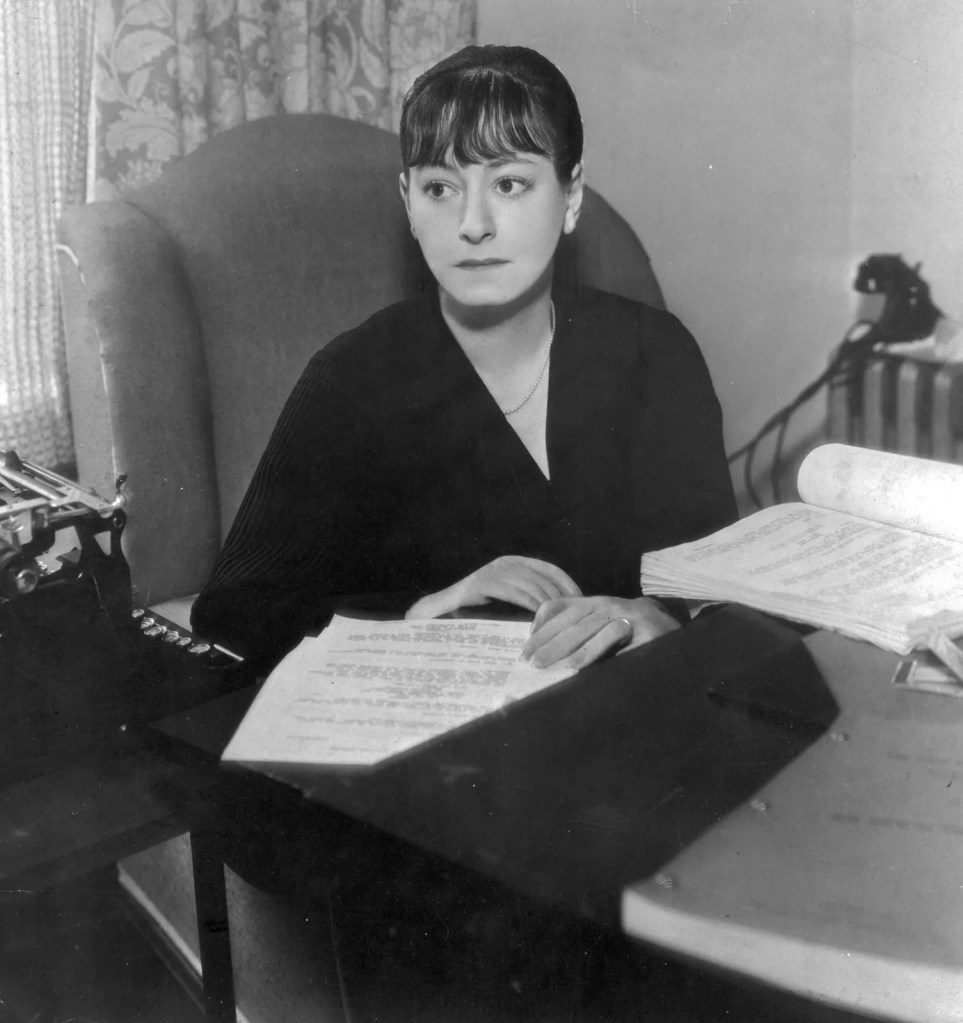
Dorothy Parker On Writing

(Source: Writers Write)

How do you actually write out a story?

‘It takes me six months to do a story. I think it out and then write it sentence by sentence—no first draft. I can’t write five words but that I change seven.’

How do you name your characters?

‘The telephone book and from the obituary columns.’

Do you keep a notebook?

‘I tried to keep one, but I never could remember where I put the damn thing. I always say I’m going to keep one tomorrow.’

How do you get the story down on paper?

‘I wrote in longhand at first, but I’ve lost it. I use two fingers on the typewriter. I think it’s unkind of you to ask. I know so little about the typewriter that once I bought a new one because I couldn’t change the ribbon on the one I had.’

How about the novel? Have you ever tried that form?

‘I wish to God I could do one, but I haven’t got the nerve.’

Do you think economic security an advantage to the writer? 

‘Yes. Being in a garret doesn’t do you any good unless you’re some sort of a Keats. The people who lived and wrote well in the twenties were comfortable and easy living. They were able to find stories and novels, and good ones, in conflicts that came out of two million dollars a year, not a garret. As for me, I’d like to have money. And I’d like to be a good writer. These two can come together, and I hope they will, but if that’s too adorable, I’d rather have money. I hate almost all rich people, but I think I’d be darling at it.’

The Paris Review interview by Marion Capron