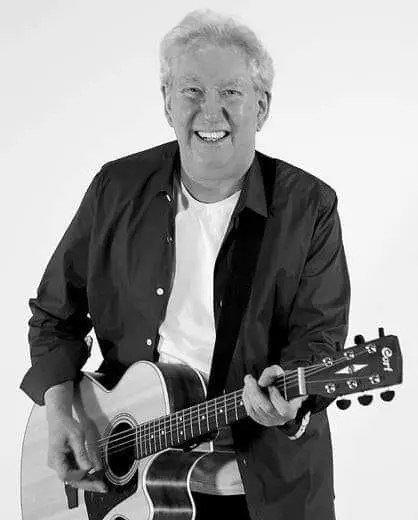
Tom Dunphy – Everything Was New Reviewed by Ian Gifford

Released April 2025
Reviewed by Ian Gifford 09/27/2025

It’s been a while since I’ve penned an album review, but sometimes you just need the right album to come along to inspire the writing bug, and Tom Dunphy’s debut solo release, Everything Was New, is one such album. I’ve been thinking about it since I first dropped the needle and decided that it’s something that should be shared.

As one half of the husband and wife writing duo for London’s favourite Honky Tonk band, The Rizdales, Tom is no stranger to writing a great song. This collection features five fresh Tom Dunphy originals, as well as some reworked tracks and a single cover song. The album is a stripped-back classic country record with songs that sound like they could have been written by Marty, Merle, Hank, or Willie themselves, but with Tom’s unique vocal styling. Tom covers the acoustic guitar and upright bass duties deftly, with the added talents of Toronto session stars, Steve Briggs on electric guitar and Burke Carroll on lap steel (both of the Brothers Cosmoline/BeBop Cowboys).
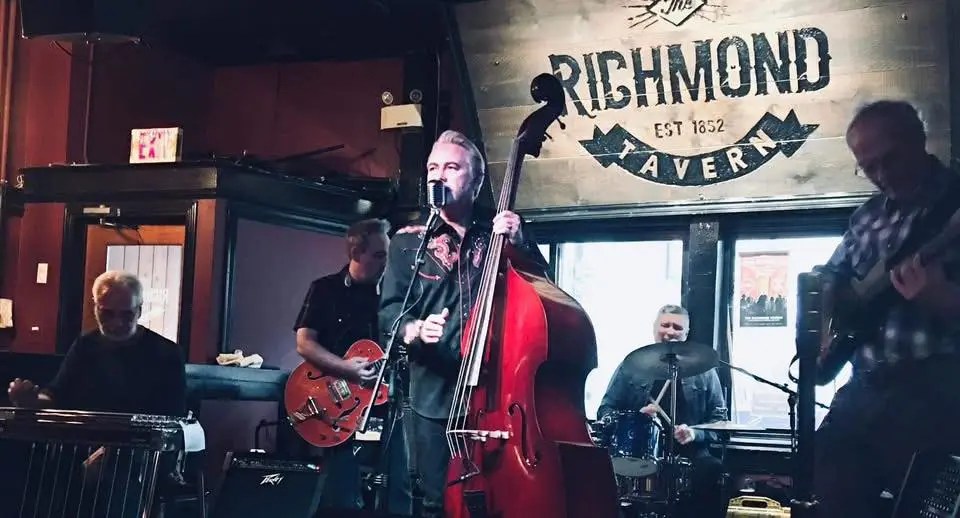
This overall tone is in stark contrast to the rocking Rizdales sounds we are used to, but is reminiscent of the early writers that inspired that sound. The no drums approach, coupled with the lightly strummed acoustic guitar and twangy colourings of the Telecaster and the steel, takes you back to the early days of the Grand Ole Opry and the records that were getting the artists there! It feels like Tom could have been born in a different era, yet he writes with contemporary themes and issues at heart.

Highlights for me are the first single, the lively “You Make me Shake” or “September is Gone” which provides some vivid images of the autumn and the striking line “They say new life begins with the spring, ours will begin with the fall”; and the rework of Tom’s old band’s single The Juke Joint Johnny’s’ – “Leaving Train” which has had new life breathed into it by both Steve and Burke’s contributions.

This album is true country music that reaches the same passion and emotions as its American predecessors. While it contains the expected themes of breakups and beer drinking, it’s never hokey or kitschy, it’s just a good listen from front to back, of some well written and well executed tunes, where even the lone cover (“Song to a Dead Man” by T-Bone Burnett), which the album is named after a line of, doesn’t seem out of place.

If I had to give it a Star Rating, it would be 5 Stars, because I simply can’t find anything wrong with it. It’s a record I could play over and over again and be transported to some old diner in Nashville at 3:00 am, with the jukebox gently humming in the corner.

Follow on Facebook https://www.facebook.com/tdandthecoldhardfacts

Follow on Facebook https://www.rizdales.com/tomdunphy

Reviewed by Ian Gifford (Photo Credit: Paul LaTorre)
106 Ways To Describe Sounds

(Source: Writers Write)

Writers know that using the senses is a great way to make stories come alive. Use this comprehensive list of words that describe sounds when you write.

According to Oxford Dictionary, to hear is to ‘perceive with the ear the sound made by (someone or something)’. Sounds are ‘vibrations that travel through the air or another medium and can be heard when they reach a person’s ear’.

You have to use the five senses when you write. Readers want to experience what your characters see, smell, hear, taste, and touch. Using the senses is one of the best ways for writers to learn how to show and not tell.

Writers Write is a resource for writers and we have written about words that describe tastesmell, and touch in previous posts. (We even have one for words that describe colours.) In this post I have included words that describe sounds.

106 Ways To Describe Sounds

General Words Describing Sounds

  1. audible – a sound that is loud enough to hear
  2. broken – a sound that has spaces in it
  3. emit – to make a sound
  4. grinding – a sound of one hard thing moving against another
  5. hushed – a sound that is quiet
  6. inaudible – a sound that is difficult to hear
  7. monotonous – a sound that is always the same and never gets louder or quieter, or higher or lower
  8. muffled – a sound that is not easy to hear because it is blocked by something
  9. plaintive – a sound that has a sad quality
  10. rhythmic – a sound that has a clear, regular pattern
  11. staccato – a sound where each word or sound is clearly separate

Describing Pleasing Sounds

  1. dulcet – soft and pleasant
  2. lilting – a sound that has a rising and falling pattern
  3. listenable – easy to listen to
  4. mellow – a soft, smooth, pleasant sound
  5. melodic – beautiful sound
  6. musical – sounds like music
  7. pure – a clear, beautiful sound
  8. rich – a sound that is strong in a pleasant way
  9. soft – quiet and peaceful
  10. sonorous – a sound that is deep and strong in a pleasant way
  11. sweet – a pleasant sound

Describing Noisy Sounds

  1. at full blast – as loudly as possible
  2. almighty – used for emphasising how loud something is
  3. brassy – a sound that is loud and unpleasant
  4. deafening – a sound so loud you cannot hear anything else
  5. ear-splitting – extremely loud
  6. explosive – a sound that is loud and unexpected
  7. howling – a continuous, low, loud noise
  8. insistent – a continuous, loud, strong noise
  9. loud – a sound that is strong and very easy to hear
  10. noisy – a sound that is full of noise
  11. percussive – a sound that is short, like someone hitting a drum
  12. piercing – a sound that is very  loud, high, and unpleasant
  13. pulsating – strong, regular pattern
  14. raucous – rude, violent, noisy
  15. resounding – a sound that is loud and that continues for a while
  16. riotous – lively and noisy
  17. roaring – a deep, loud noise
  18. rowdy – noisy and causing trouble
  19. sharp – a sound that is sudden and loud
  20. shrill – a sound that is loud, high, and unpleasant
  21. thundering – extremely loud
  22. thunderous – loud
  23. tumultuous –  a sound that includes noise, excitement, activity, or violence
  24. uproarious – extremely noisy

Words That Help You Show And Not Tell

Many of these words that help you show and not tell are examples of onomatopoeia. These words imitate natural sounds. ‘It creates a sound effect that mimics the thing described, making the description more expressive and interesting.’

Here are some examples:

  • The bees buzzed outside my window.
  • The wind sighed.
  • The leaves crackled and crunched under his feet.

Use this list to make your writing come alive.

  1. babble – a gentle, pleasant sound of water as it moves along in a river
  2. bang – to move, making loud noises
  3. beep – a short high sound or several short high sounds
  4. blare – to make a loud and unpleasant noise
  5. blast – to make a loud sound with a car horn
  6. bleep – a short high sound or several short high sounds
  7. boom – to make a deep loud sound that continues for some time
  8. caterwaul – an unpleasant loud high noise
  9. chime – a high ringing sound like a bell or set of bells
  10. chink – a high ringing sound when knocked together, or to make something do this
  11. clack -to make a short loud sound like one hard object hitting against another
  12. clang – a loud, metallic sound
  13. clank – a short, loud sound
  14. clash – a loud, metallic sound
  15. clatter – a series of short, sharp noises
  16. click – a short sound like the sound when you press a switch
  17. clink – to make the short high sound of glass or metal objects hitting each other, or to cause objects to make this sound
  18. cluck – to make a short, low sound with your tongue
  19. crash – a sudden loud noise, as if something is being hit
  20. creak – if something creaks, especially something wooden, it makes a high noise when it moves or when you put weight on it
  21. drone – to make a low continuous noise
  22. fizz – a soft sound that small gas bubbles make when they burst
  23. groan – a long, low, sound
  24. growl – a low, unpleasant noise
  25. grunt – to make a short low sound in your throat and nose at the same time
  26. gurgle – the low sound water makes when it is poured quickly from a bottle
  27. honk – to make a loud noise using a horn, especially the horn of a car
  28. hoot – to make a short loud sound as a warning
  29. mewl – crying with a soft, high sound
  30. moan – a long, low sound
  31. neigh – to make a high loud sound like a horse’s neigh
  32. peal – if a bell peals, or if someone peals it, it makes a loud sound
  33. peep – if a car’s horn peeps, it makes a sound
  34. ping – to make a short high sound like the sound of a small bell
  35. pipe – to make a very high sound, or to speak in a very high voice
  36. pop – a sudden noise like a small explosion
  37. putter – a short, quiet, low sound at a slow speed
  38. ring – to make a bell produce a sound
  39. roar – to make a continuous, very loud noise
  40. rumble – a continuous deep sound
  41. scream – to make a very loud high noise
  42. scream – to make a very loud high noise
  43. screech – to make a loud, high, and unpleasant noise
  44. scrunch – to make a loud noise like something being crushed
  45. sigh – a long, soft, low sound
  46. squeak – to make a short, high noise
  47. squeal – to make a long high sound
  48. squee – to make a loud high noise because you are excited or happy
  49. thrum- to make a low regular noise like one object gently hitting another many times
  50. thud – a dull sound when falling or hitting something
  51. thump – to hit against something with a low loud sound
  52. tinkle – to make a high, ringing sound
  53. wail – to make a long, high sound
  54. wheeze – a high sound, as though a lot of air is being pushed through it
  55. whine – a high, loud sound
  56. whirr – a fast, repeated, quiet sound
  57. whisper – to make a quiet, gentle sound
  58. whistle – to make a high sound by forcing air through your mouth in order to get someone’s attention
  59. yelp – a short, loud, high sound, usually caused by excitement, anger, or pain
  60. yowl – a long, loud, unhappy sound or complaint
  61. Use these words to describe sounds and make your writing come alive.

by Amanda Patterson

Remembering Wonderland Gardens and The Pop Festival of August 1969

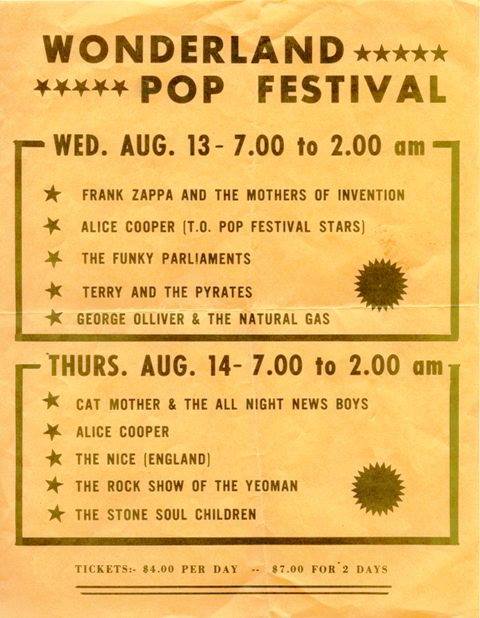
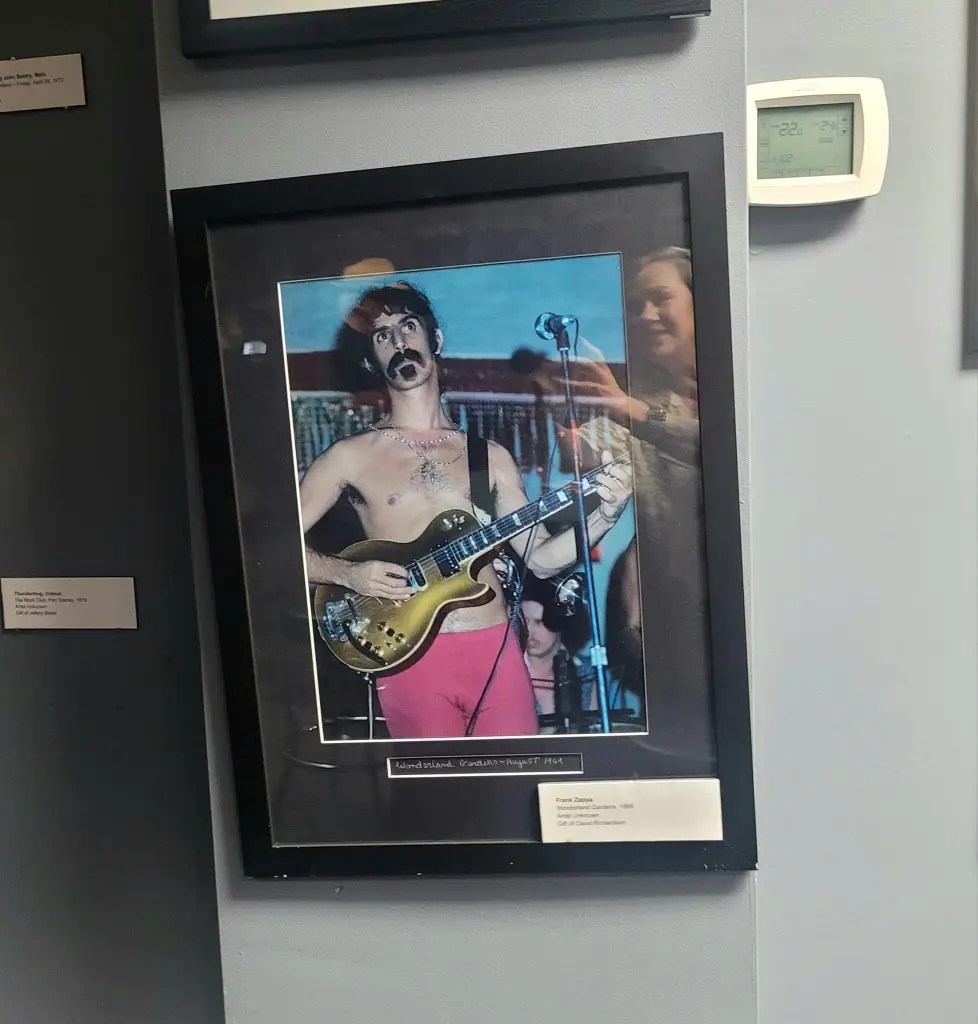
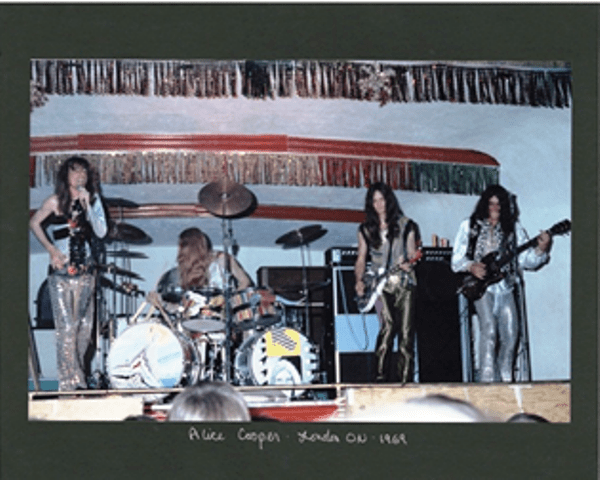
Here’s a revised article about the history of Wonderland Gardens I wrote for The Byron Villager magazine several years ago. I have updated it to commemorate the 56th anniversary of the two-day Wonderland Gardens Pop Festival that took place August 13-14, 1969. The festival featured Frank Zappa, Alice Cooper, Cat Mother & The All Night News Boys, The Nice, and George Olliver & The Natural Gas.

Mention the name Wonderland Gardens today, and most Londoners will probably respond, “Wonderland what”?

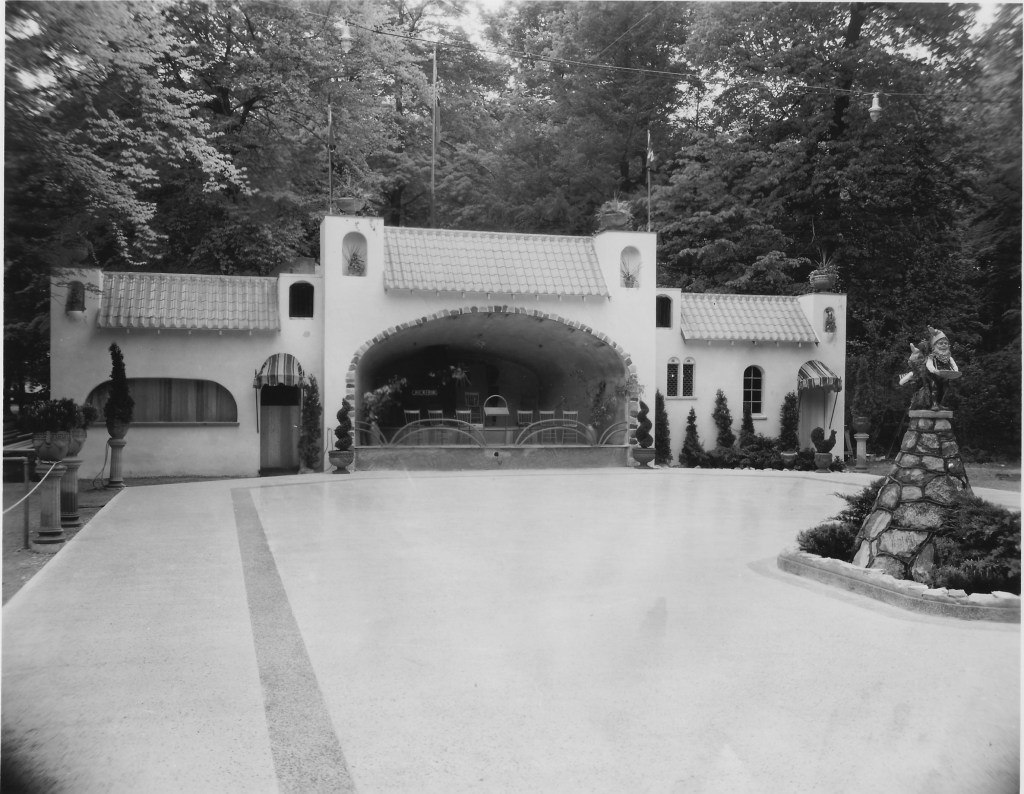
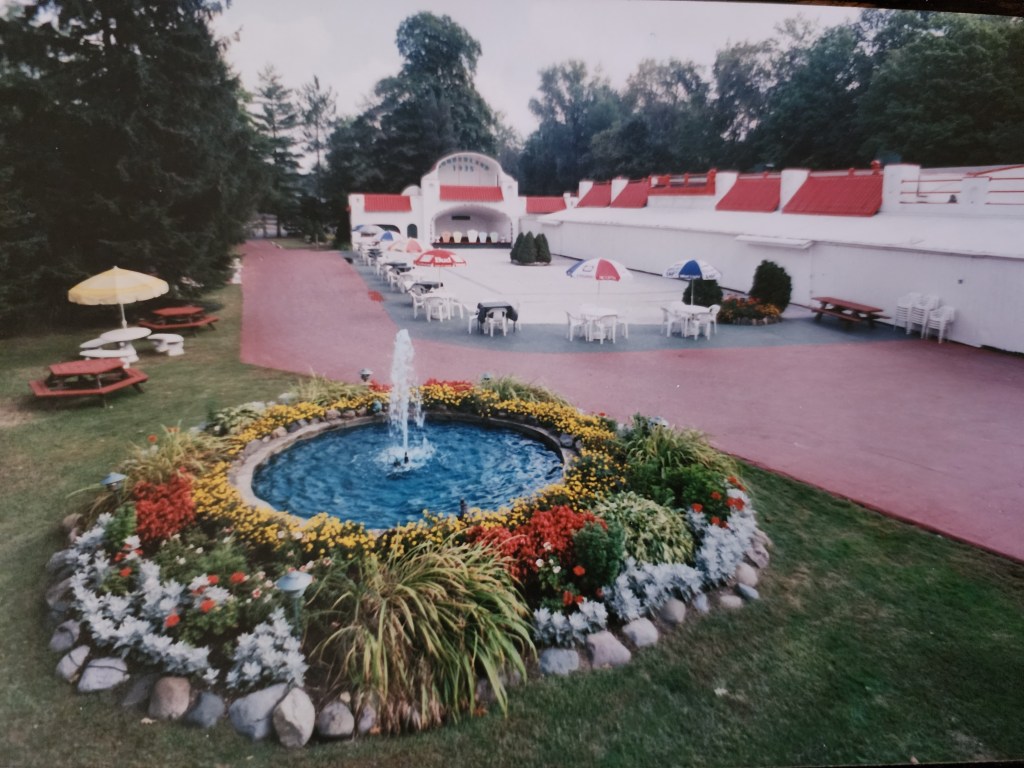
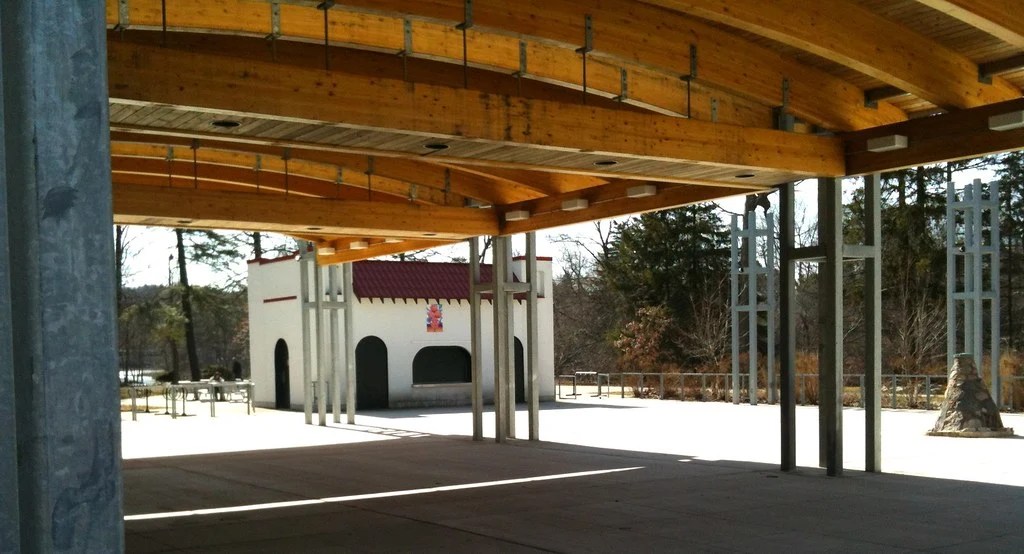
The site of the legendary dance hall, which burned down in 2005, is now called Springbank Gardens, and all that remains of the original venue is the outdoor bandshell.

The story of Wonderland Gardens begins in the early 1930s, when Charles Jones signed a long-term lease for a small lot of land in Westminster Township adjacent to the Thames River. His plan was to build a series of gardens, fountains, woods, ponds, and footpaths, including a luxurious swimming pool, all surrounding a 550-square-metre, open-air dance floor with a bandstand and Spanish Colonial-style pavilion.

Wonderland Summer Gardens opened on May 24, 1935, and it quickly became one of the city’s hot spots. Big Bands like Guy Lombardo and his Royal Canadians and those led by Glenn Miller, the Dorsey brothers, and local musicians like Johnny Downs and Lionel Thornton all graced the venue’s bandshell. Generations of Londoners danced and canoodled under the stars on the venue’s open-air dance floor.

As the decades passed and musical tastes changed, the venerable dance hall changed with the times. By the 1960s, Wonderland was London’s favourite concert/dance hall for the thousands of London area Boomers who flocked there to see major acts like Sly and the Family Stone, Deep Purple, The Mandala, Grant Smith and the Power, and many others too numerous to list.

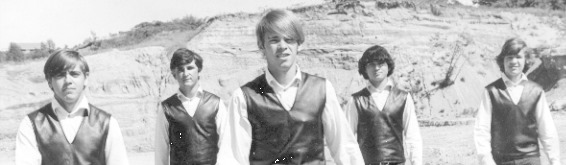
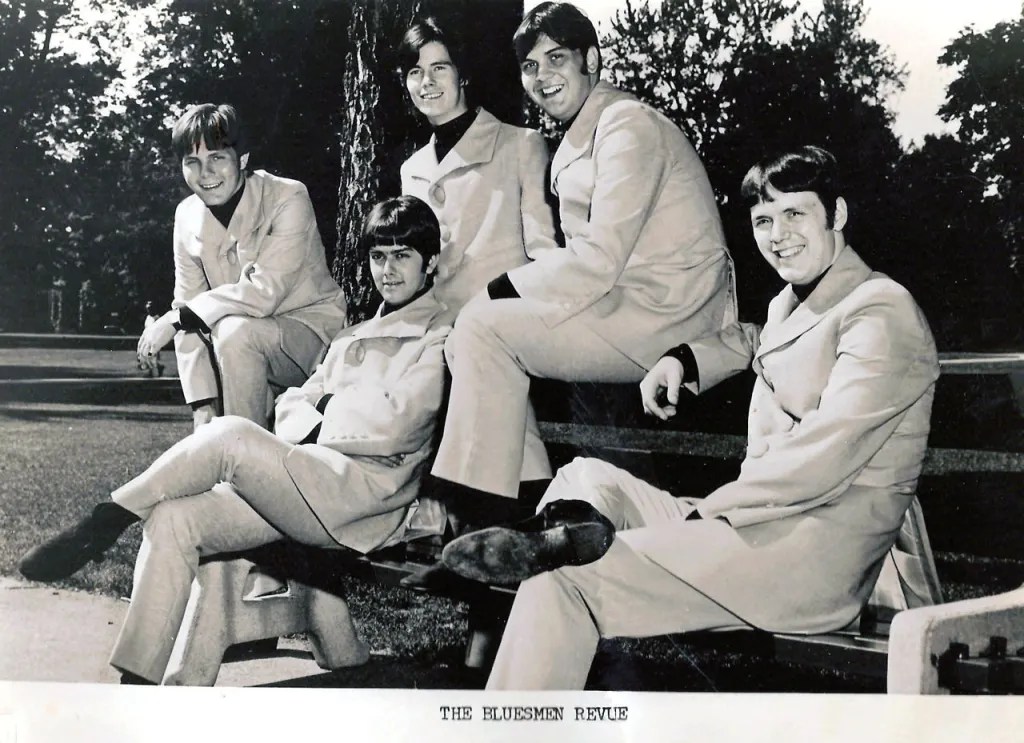
Wonderland was also a jumping-off point for local bands like The Bluesmen Revue, A Small Experience, and The New Set, who mostly opened for the headliners.

For the late John Sharpe, The New Set’s former drummer, Wonderland held a special place in his musical career.

“A group could play any number of teen towns or private events, but everyone knew you had not really ‘made it’ until you played Wonderland,” recalls John. “It was a magical place that attracted hundreds of teens to its weekly rock ‘n’ roll shows, so every group in the area wanted in on the action.”

Jim Chapman, former bassist for The Bluesmen Revue, a very popular London R&B group, remembers headlining at Wonderland many times.

“The room had excellent acoustics both on the stage and in the hall. In those days that was the exception rather than the norm,” Jim recalls. “And it had one of the smallest dressing rooms I ever saw in a venue that size. How the multi-person big bands ever managed to get their people dressed for a gig I cannot imagine!”

Ken Thorne, of A Small Experience, another London band that regularly played Wonderland, remembers the venue’s dressing rooms, too.

“The original dressing room walls were scrawled with the signatures of many of the artists who performed there. Whenever we played there, we used to try and find the new additions while waiting to go on stage,” says Ken.

On August 13 – 14, 1969, Wonderland hosted a two-day Pop Festival featuring Frank Zappa and the Mothers of Invention, Alice Cooper, Cat Mother & The All Night News Boys, George Olliver & The Natural Gas, and others for the whopping price of $7.00! The event preceded the much larger Woodstock Music Festival that took place in New York State, August 15 – 18.

Apparently, Zappa was asked why he wasn’t playing Woodstock. His reply? “Because we don’t want to.”

Rumour has it that after his set, Zappa waterskied on the heavily polluted Thames River, which flowed behind Wonderland! The rumour was recently confirmed during an interview I did with Chuck Jones.

As the years progressed, touring acts moved to other venues in town and Wonderland became more of a location for special events like company parties, conventions, rallies, and receptions.

“In its final days, the City of London had an active interest in Wonderland, but the council would not invest the money needed to refurbish it and keep it a top live performance venue,” Jim laments. “When Wonderland burned down, there was a lot of talk that something political and fishy had gone on, though I have no way of knowing if that was the case. Like many people, when I heard news of the fire, I shed a tear for all the great days and memories gone by.”

So next time you pedal or walk through Springbank Gardens, take a pause to see if you can hear some of the strains of great music that was once played on the site.

Author’s Note: Since this story was published in The Byron Villager a few years back, I was commissioned by the City of London Culture Office to prepare an Interpretive Sign that visually tells the history of Wonderland Gardens from 1935 to its rebirth as Springbank Gardens. Hopefully, the official unveiling of the sign will take place by summer’s end.