What is Memory? & How to Use It in Writing.

In this post we look at what memory is and how to use memory in writing.

What Is Memory?

Memory is a wonderful thing. Many parts of your brain work together to collect, encode, store, and retrieve sensory, short-term, and long-term recall of events, people, and experiences you’ve had throughout your life. Sometimes, especially with trauma, those memories can be buried deep within your mind. Your brain is trying to protect you from those memories. At other times, a memory is such a beautiful one that even the lightest perfume, like vanilla, can trigger feel-good emotions within you.

Memories

All your memories will fall into either the ‘these are a few of my favourite things’ column. Others will be in the ‘do not open this box’ column. But all of them are useful to a writer. They are an almost inexhaustible resource. Don’t be afraid to use them. In fact, using them is almost a requirement when creating a good story.

You will have memories of:

  1. People you loved – parents, grandparents, aunts or uncles, siblings, cousins, friends, boyfriends, spouses, children.
  2. People with whom you were friends or enemies.
  3. People you met once.
  4. People you interact with everyday but don’t know personally – your local coffee shop barista, for example.
  5. People you see everyday but don’t really interact with – the security guard outside the building you pass on the way to work.
  6. Interiors – offices, malls, shops, doctor’s surgeries, hospitals, vet’s waiting rooms, cars, ships, trains, places of worship, pubs, restaurants etc.
  7. Locations – cities, game parks, lumber yards, garden shops, drive-in movie theatres, ice-rinks, the beach, theatres, public swimming pools and their change rooms, university campuses, school yards, etc.
  8. Views – out of windows, from the edge of a cliff, out of an airplane, from the beach across the desert, across a field, in a forest. Don’t forget, views are never one way. Standing on a beach looking out over the sea is one view, but so is turning around and looking back at the fishing village, port, town, forest, desert, other people on the beach.
  9. Animals – pets is an obvious one, but there are also zoo animals, animals you saw in the wild, creatures you see every day; the frog that lives under the broken pot in the garden, the neighbour’s cat, the crow that sits on your gatepost every morning, the hadadas digging for worms on the lawn etc.
  10. Homes – the one(s) you grew up in, your grandparents’, your friends’, the boarding school you might have gone to etc.
  11. Food and Drink – home cooked, at restaurants, take-aways, etc.
  12. Clothing – school uniforms, military uniforms, wool, cotton, synthetics, wedding dresses, Lycra swimsuits that didn’t fit properly, socks that kept falling down, etc.
  13. Events – first day at junior or senior school or university, on your first job, being fired, made redundant, first date, breaking up, coming-of-age events, engagements, weddings, births, deaths, funerals, the look of delight or disappointment on a parent’s face, finding an old love letter your grandad wrote – big all small our lives are filled with events that can be translated into our writing.
  1. Food and Drink – home cooked, at restaurants, take-aways, etc.
  2. Clothing – school uniforms, military uniforms, wool, cotton, synthetics, wedding dresses, Lycra swimsuits that didn’t fit properly, socks that kept falling down, etc.
  3. Events – first day at junior or senior school or university, on your first job, being fired, made redundant, first date, breaking up, coming-of-age events, engagements, weddings, births, deaths, funerals, the look of delight or disappointment on a parent’s face, finding an old love letter your grandad wrote – big all small our lives are filled with events that can be translated into our writing.

Every memory is a mine of information.

  1. Physicality – what does the person, place, mode of transport look like?
  2. Senses – what did it/they smell like, sound like, taste like, behave.
  3. Surrounds – was the weather trying to kill you, or did it taste like champagne.
  4. At the time emotions – how did you feel at the time you experienced the event?
  5. Looking back emotions – our feelings about our memories change. How do they make you feel now.
  6. Music – a song can unleash a significant memory.

How To Use Memory In Writing

Yes, I hear you say, but I’m writing a space adventure not a memoir! Maybe, but the memory of not being picked up from school because your parents forgot you could easily be used to describe the feeling that an astronaut may feel if their spouse isn’t there to welcome them home after a mission. Of the feeling their child feels when they can’t be there for the kid’s sports day because they’re on a mission to Mars. You don’t have to describe the feeling you felt being forgotten at school, but you can use that confused sadness and anger to inform your protagonist’s emotion.

Every memory can feed your writing, whether you’re writing a period romance, a contemporary thriller, a comedy, or a dystopian story. While it may be your memory, it can be the thing that your character is experiencing. Rummage through your memory for something similar that you’ve experienced that can help you develop believable reactions, emotions, and experiences for your characters. The plot of your book is a series of steps from A to Z. The story is the experiences, encounters, and emotions your characters go through. Use your memories to give those life.

Memories may also be unreliable. This is great for causing conflict in fiction writing.

The Last Word

If you’d like to write for childrenyoung adults, or adults, why not sign up for one of the rich and in-depth courses that Writers Write offers to learn how to write the best book you possibly can.

by Elaine Dodge. Author of The Harcourts of Canada series and The Device HunterElaine trained as a graphic designer, then worked in design, advertising, and broadcast television. She now creates content, mostly in written form, including ghost writing business books, for clients across the globe, but would much rather be drafting her books and short stories.
A Quick Start Guide To Writing Romance

In this post, we provide a quick start guide to writing romance for all aspiring writers in the genre.

There’s a romance novel for everyone! My favourites include anything by Jane Austen and Georgette Heyer. There are no books on my shelves with covers that fall into the category of ‘Dude, where’s your shirt?’. That’s the good thing about this genre. There are so many sub-genres that everyone; writers, and readers alike, will be happy.

A Quick Start Guide To Writing Romance

 Why Write Romance?

The romance genre is the biggest selling genre on the planet. In 2021, romance book sales on Amazon reached US$1.44 billion. The closest competitor was Crime/Mystery which made US$728.2 million. Not even close.

Why Does Romance Outsell Every Other Genre?

It’s simple really, romance sells as well as it does because it gives the reader a taste of the romance for which they themselves are longing. The romance novel provides hope. Setting it in an exotic location tells the reader that their ‘own true love’ is ‘out there somewhere’.

Choose Your Sub-genre

Before drafting any book, romance or not, your genre/sub-genre will always be the first decision you make.

How many sub-genres are there?

Imagine opening a box of Quality Street. Everything’s chocolate, right? But not all the centres are the same. With romance, even the sub-genres have sub-genres! Romance/Sweet and Clean/Alternative History/Vampires/Victorian Paris – see what I mean?

The age group of your readers may play an important part in your choice of sub-genre. Are they young adultnew adult, or adult? These options all dictate plot, language, characters, and setting.

Choose Your Heat Level

Do romance novels need sex scenes? Jane Austen didn’t have any. Whether you include them or not depends entirely on you, the age of your readers, and the needs of your story.

‘Heat level’ is the industry term for level of sensuality, a.k.a. sex in a book. There are five.

In the first, your characters will be lucky if they hold hands.

In the second there may be one or two tender love scenes but no sex. But this doesn’t mean the book will be dull. There’s no sex in any Georgette Heyer romance and they are some of the most enduring romance novels of all time.

The third and fourth have increasing amounts of sex. Finally, there is Erotic/Erotica.

If you do choose to include sex scenes, bear in mind that the scene must advance the plot or show character development. In fact, all scenes in every genre, whether they are sex scenes or not, should do this. If you can, make them do both.

HEA Or HFN?

Should a romance have an HEA (Happy Ever After), or at least an HFN (Happy For Now)? Many writers, and readers, say yes. Others that say books like Gone With the Wind are romances. And yet that book is famous for, frankly, not giving a damn if it has a happy ending or not.

Personally, I think it all depends on what sort of romance novel you want to write. The Notebook is the story of a romance, but its end (spoiler alert) is tragic. So is that of Romeo and Juliet.

Sign up for our romance writing course: This Kiss

The Meet-Cute and Will-They-Won’t-They

There are two other foundations upon which all romance novels are built. These are the ‘meet cute’, and the ‘will-they-won’t-they’ question.

The ‘meet-cute’ doesn’t have to be the inciting incident. It also doesn’t need to be cute.

In Pride & Prejudice, the meet-cute between Darcy and Elizabeth, is neither the inciting incident, nor is it cute. Before they are introduced, Elizabeth overhears Darcy insult her. It’s not surprising then that Elizabeth is against him from the start. Their potential romance appears doomed. From the beginning, the question of will-they-won’t-they grips the reader.

This question drives all romances, including Gone With The Wind. So, make sure your novel asks it, and answers it, in a unique way.

Location, Location, Location

Do you like doing research? The era and location of your book will determine the amount of research required. A contemporary romance set in your hometown needs far less research than an historical romance set in a foreign country. The Far Pavilions by M.M. Kaye is a good example of this and is well worth reading.

What Do Rhett Butler, Fitzwilliam Darcy & Gabriel Oak Have In Common?

One is a rogue, one is an upper-class snob, and one is a hardworking, honest farmer. Yet, they are all completely compelling.

Compelling heroes need compelling heroines. No cardboard cut-out characters! They must:

  1. Be complex, deeply rich characters.
  2. Have interesting backstories.
  3. Grow through strong character development.
  4. Have chemistry with their soon-to-be significant other.
  5. Work for the reward of love.

he Whisper Of Sweet Nothings

Great dialogue can be one of the most difficult things to write. But it’s an essential skill. Bad dialogue is boring in life, and on the page. It will kill any romance. It must suit the characters, the era, the location, and be realistic.

There are bonus points if it is also original. It’s a tall order. But it can be done.

Compare the dialogue between Rochester and Jane in Jane Eyre to that in the TV series The Gilmore Girls between Luke and Lorelai, for example. They are both true to their era and sub-genre. One is repressed and gothic, while the other is hilarious, and fast-paced. But both ring true.

That is the ultimate test of all romance novels. Does it ‘ring true’? Does it ring true in every aspect, from sub-genre, the big questions, location, era, and character, to passion, dialogue, and ending?

by Elaine Dodge. Elaine is the author of The Harcourts of Canada series. Elaine trained as a graphic designer, then worked in design, advertising, and broadcast television. She now creates content, mostly in written form, for clients across the globe, but would much rather be drafting her books and short stories.
5 Guaranteed Ways To Bore Your Reader Writers.Write

Most beginners overwrite – padding their prose with unnecessary descriptions and characters. Here are 5 guaranteed ways to bore your reader.

There are times when I pick up a book and I think, ‘I can’t carry on.’ Even though I try to finish most of the novels I start, life is just too short to read badly-written, boring books.

Why are these books boring?

Most beginners overwrite – padding their prose with unnecessary descriptions and characters. This is mainly because they do not have a structured story with well-drawn characters and a cohesive, well-paced plot.  I have put together sure-fire ways that will help you if you want to bore your reader to tears.

5 Guaranteed Ways To Bore Your Reader

  1. Add heaps of backstory. Every page is important. Readers, publishers and literary agents make decisions about whether to carry on reading a book based on the first few pages. Do not waste anyone’s time with unimportant setting details and character histories. Introduce your main characters. Tell us where we are – briefly. Set up a great conflict with an exciting inciting moment. And write!
  2. Do not structure your novel. Reading a book seems incredibly daunting if you are lost in an inexperienced author’s stream of consciousness. A great story does not meander from one unrelated event to another. It needs to follow a path. Otherwise, readers will lose interest. They will worry about wasting their time as you muddle through the details.
  3. Do not create empathetic characters. It does not matter if you happen to love your unsympathetic psychopathic hero. The truth is that nobody will continue to read a novel without having an emotional connection to the main characters. They can be heroesanti-heroes or villains, but they all need flaws and redeeming qualities. Readers read stories because they want to relate to someone in the book. We want to know why the characters are acting the way they do.
  4. Leave unnecessary scenes in the book. I walk out of movie theatres when I watch a film where nothing happens. I stop reading books for the same reason. Authors cannot simply place characters on the page, add some dialogue and description and not move the story forward. Scenes should move your characters and your plot to the resolution of your story. If they don’t, cut them. Removing scenes keeps your story focused, your pace intense, and creates tension so that readers can’t stop reading.
  5. Describe everything. You do not have to tell readers everything. They are not stupid. Reveal information through action and dialogue. This does not mean that you leave description out. It means that you do not tell us what every character, town, tree, or house, looks like in mind-numbing detail. Your characters should interact with the setting. A reader should be able to see and hear and smell the novel through the words on the page.

Please do not make these five mistakes when you write. Remember that you are competing for a place in a crowded market. The Internet, television, movies, and smart phones have taken their toll and today’s reader will not tolerate long flowery sentences, insipid characters and pages of boring backstory. Writing like this is a guaranteed way to lose your reader in the first few pages.

by Amanda Patterson

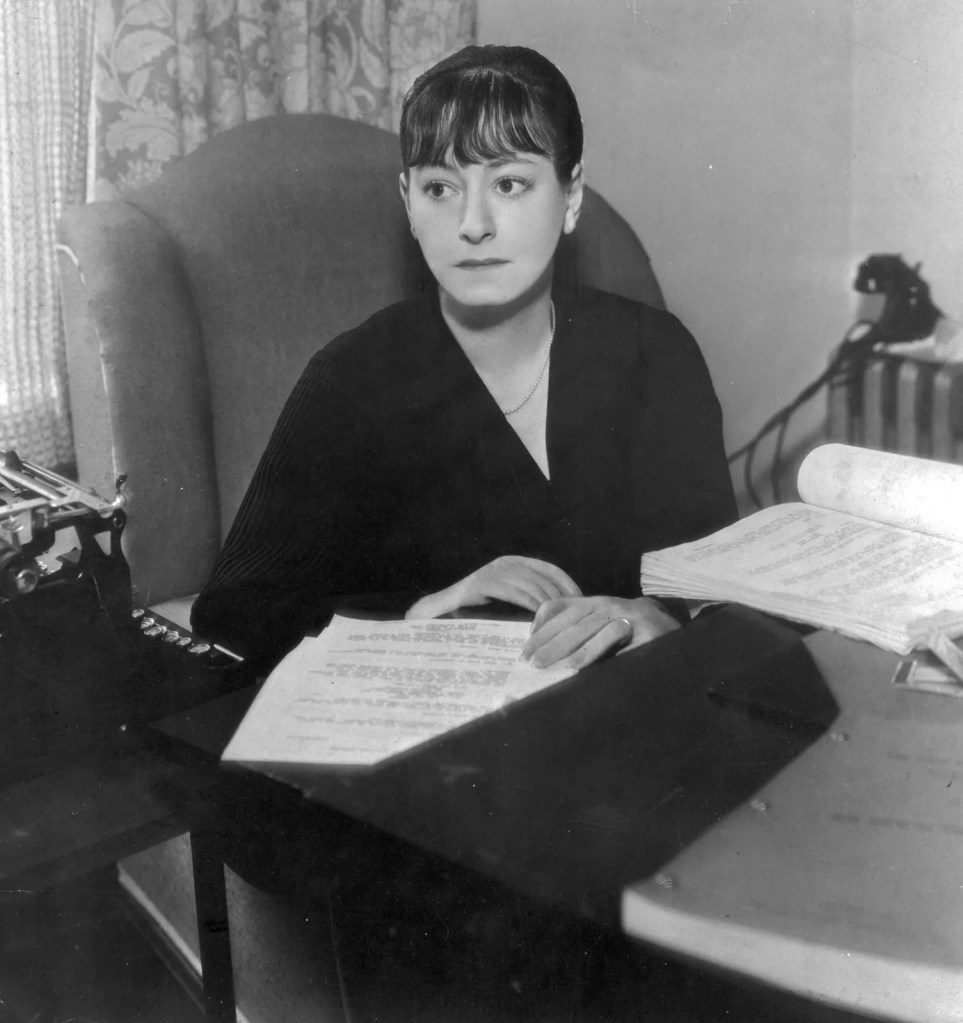
Dorothy Parker On Writing

(Source: Writers Write)

How do you actually write out a story?

‘It takes me six months to do a story. I think it out and then write it sentence by sentence—no first draft. I can’t write five words but that I change seven.’

How do you name your characters?

‘The telephone book and from the obituary columns.’

Do you keep a notebook?

‘I tried to keep one, but I never could remember where I put the damn thing. I always say I’m going to keep one tomorrow.’

How do you get the story down on paper?

‘I wrote in longhand at first, but I’ve lost it. I use two fingers on the typewriter. I think it’s unkind of you to ask. I know so little about the typewriter that once I bought a new one because I couldn’t change the ribbon on the one I had.’

How about the novel? Have you ever tried that form?

‘I wish to God I could do one, but I haven’t got the nerve.’

Do you think economic security an advantage to the writer? 

‘Yes. Being in a garret doesn’t do you any good unless you’re some sort of a Keats. The people who lived and wrote well in the twenties were comfortable and easy living. They were able to find stories and novels, and good ones, in conflicts that came out of two million dollars a year, not a garret. As for me, I’d like to have money. And I’d like to be a good writer. These two can come together, and I hope they will, but if that’s too adorable, I’d rather have money. I hate almost all rich people, but I think I’d be darling at it.’

The Paris Review interview by Marion Capron