A retired History and Politics high school teacher (1978-2008). Former Publisher/Managing Editor of The Beat Magazine (2009-2014). Freelance Writer. Proud Grandfather.
Carlos Ruiz Zafón (25 September 1964 – 19 June 2020) was a Spanish novelist known for his 2001 novel La sombra del viento (The Shadow of the Wind). The novel sold 15 million copies and was winner of numerous awards; it was included in the list of the one hundred best books in Spanish in the last twenty-five years, made in 2007 by eighty-one Latin American and Spanish writers and critics.
In this post, we provide a quick start guide to writing romance for all aspiring writers in the genre.
There’s a romance novel for everyone! My favourites include anything by Jane Austen and Georgette Heyer. There are no books on my shelves with covers that fall into the category of ‘Dude, where’s your shirt?’. That’s the good thing about this genre. There are so many sub-genres that everyone; writers, and readers alike, will be happy.
A Quick Start Guide To Writing Romance
Why Write Romance?
The romance genre is the biggest selling genre on the planet. In 2021, romance book sales on Amazon reached US$1.44 billion. The closest competitor was Crime/Mystery which made US$728.2 million. Not even close.
Why Does Romance Outsell Every Other Genre?
It’s simple really, romance sells as well as it does because it gives the reader a taste of the romance for which they themselves are longing. The romance novel provides hope. Setting it in an exotic location tells the reader that their ‘own true love’ is ‘out there somewhere’.
Choose Your Sub-genre
Before drafting any book, romance or not, your genre/sub-genre will always be the first decision you make.
Imagine opening a box of Quality Street. Everything’s chocolate, right? But not all the centres are the same. With romance, even the sub-genres have sub-genres! Romance/Sweet and Clean/Alternative History/Vampires/Victorian Paris – see what I mean?
The age group of your readers may play an important part in your choice of sub-genre. Are they young adult, new adult, or adult? These options all dictate plot, language, characters, and setting.
Choose Your Heat Level
Do romance novels need sex scenes? Jane Austen didn’t have any. Whether you include them or not depends entirely on you, the age of your readers, and the needs of your story.
‘Heat level’ is the industry term for level of sensuality, a.k.a. sex in a book. There are five.
In the first, your characters will be lucky if they hold hands.
In the second there may be one or two tender love scenes but no sex. But this doesn’t mean the book will be dull. There’s no sex in any Georgette Heyer romance and they are some of the most enduring romance novels of all time.
The third and fourth have increasing amounts of sex. Finally, there is Erotic/Erotica.
If you do choose to include sex scenes, bear in mind that the scene must advance the plot or show character development. In fact, all scenes in every genre, whether they are sex scenes or not, should do this. If you can, make them do both.
HEA Or HFN?
Should a romance have an HEA (Happy Ever After), or at least an HFN (Happy For Now)? Many writers, and readers, say yes. Others that say books like Gone With the Wind are romances. And yet that book is famous for, frankly, not giving a damn if it has a happy ending or not.
Personally, I think it all depends on what sort of romance novel you want to write. The Notebook is the story of a romance, but its end (spoiler alert) is tragic. So is that of Romeo and Juliet.
There are two other foundations upon which all romance novels are built. These are the ‘meet cute’, and the ‘will-they-won’t-they’ question.
The ‘meet-cute’ doesn’t have to be the inciting incident. It also doesn’t need to be cute.
In Pride & Prejudice, the meet-cute between Darcy and Elizabeth, is neither the inciting incident, nor is it cute. Before they are introduced, Elizabeth overhears Darcy insult her. It’s not surprising then that Elizabeth is against him from the start. Their potential romance appears doomed. From the beginning, the question of will-they-won’t-they grips the reader.
This question drives all romances, including Gone With The Wind. So, make sure your novel asks it, and answers it, in a unique way.
Location, Location, Location
Do you like doing research? The era and location of your book will determine the amount of research required. A contemporary romance set in your hometown needs far less research than an historical romance set in a foreign country. The Far Pavilions by M.M. Kaye is a good example of this and is well worth reading.
What Do Rhett Butler, Fitzwilliam Darcy & Gabriel Oak Have In Common?
One is a rogue, one is an upper-class snob, and one is a hardworking, honest farmer. Yet, they are all completely compelling.
Have chemistry with their soon-to-be significant other.
Work for the reward of love.
he Whisper Of Sweet Nothings
Great dialogue can be one of the most difficult things to write. But it’s an essential skill. Bad dialogue is boring in life, and on the page. It will kill any romance. It must suit the characters, the era, the location, and be realistic.
There are bonus points if it is also original. It’s a tall order. But it can be done.
Compare the dialogue between Rochester and Jane in Jane Eyre to that in the TV series The Gilmore Girls between Luke and Lorelai, for example. They are both true to their era and sub-genre. One is repressed and gothic, while the other is hilarious, and fast-paced. But both ring true.
That is the ultimate test of all romance novels. Does it ‘ring true’? Does it ring true in every aspect, from sub-genre, the big questions, location, era, and character, to passion, dialogue, and ending?
by Elaine Dodge. Elaine is the author of The Harcourts of Canada series. Elaine trained as a graphic designer, then worked in design, advertising, and broadcast television. She now creates content, mostly in written form, for clients across the globe, but would much rather be drafting her books and short stories.
Cheryl Strayed born September 17, 1968) is an American writer and podcast host. She has written four books: the novel Torch (2006) and the nonfiction books Wild: From Lost to Found on the Pacific Crest Trail (2012), Tiny Beautiful Things (2012) and Brave Enough (2015). Wild, the story of Strayed’s 1995 hike up the Pacific Crest Trail, is an international bestseller and was adapted into the 2014 Academy Award-nominated film Wild. (Source: Wikipedia)
Writers know that using the senses is a great way to make stories come alive. Use this comprehensive list of words that describe sounds when you write.
According to Oxford Dictionary, to hear is to ‘perceive with the ear the sound made by (someone or something)’. Sounds are ‘vibrations that travel through the air or another medium and can be heard when they reach a person’s ear’.
You have to use the five senses when you write. Readers want to experience what your characters see, smell, hear, taste, and touch. Using the senses is one of the best ways for writers to learn how to show and not tell.
Writers Write is a resource for writers and we have written about words that describe taste, smell, and touch in previous posts. (We even have one for words that describe colours.) In this post I have included words that describe sounds.
106 Ways To Describe Sounds
General Words Describing Sounds
audible – a sound that is loud enough to hear
broken – a sound that has spaces in it
emit – to make a sound
grinding – a sound of one hard thing moving against another
hushed – a sound that is quiet
inaudible – a sound that is difficult to hear
monotonous – a sound that is always the same and never gets louder or quieter, or higher or lower
muffled – a sound that is not easy to hear because it is blocked by something
plaintive – a sound that has a sad quality
rhythmic – a sound that has a clear, regular pattern
staccato – a sound where each word or sound is clearly separate
Describing Pleasing Sounds
dulcet – soft and pleasant
lilting – a sound that has a rising and falling pattern
listenable – easy to listen to
mellow – a soft, smooth, pleasant sound
melodic – beautiful sound
musical – sounds like music
pure – a clear, beautiful sound
rich – a sound that is strong in a pleasant way
soft – quiet and peaceful
sonorous – a sound that is deep and strong in a pleasant way
sweet – a pleasant sound
Describing Noisy Sounds
at full blast – as loudly as possible
almighty – used for emphasising how loud something is
brassy – a sound that is loud and unpleasant
deafening – a sound so loud you cannot hear anything else
ear-splitting – extremely loud
explosive – a sound that is loud and unexpected
howling – a continuous, low, loud noise
insistent – a continuous, loud, strong noise
loud – a sound that is strong and very easy to hear
percussive – a sound that is short, like someone hitting a drum
piercing – a sound that is very loud, high, and unpleasant
pulsating – strong, regular pattern
raucous – rude, violent, noisy
resounding – a sound that is loud and that continues for a while
riotous – lively and noisy
roaring – a deep, loud noise
rowdy – noisy and causing trouble
sharp – a sound that is sudden and loud
shrill – a sound that is loud, high, and unpleasant
thundering – extremely loud
thunderous – loud
tumultuous – a sound that includes noise, excitement, activity, or violence
uproarious – extremely noisy
Words That Help You Show And Not Tell
Many of these words that help you show and not tell are examples of onomatopoeia. These words imitate natural sounds. ‘It creates a sound effect that mimics the thing described, making the description more expressive and interesting.’
Here are some examples:
The bees buzzed outside my window.
The wind sighed.
The leaves crackled and crunched under his feet.
Use this list to make your writing come alive.
babble – a gentle, pleasant sound of water as it moves along in a river
bang – to move, making loud noises
beep – a short high sound or several short high sounds
blare – to make a loud and unpleasant noise
blast – to make a loud sound with a car horn
bleep – a short high sound or several short high sounds
boom – to make a deep loud sound that continues for some time
caterwaul – an unpleasant loud high noise
chime – a high ringing sound like a bell or set of bells
chink – a high ringing sound when knocked together, or to make something do this
clack -to make a short loud sound like one hard object hitting against another
clang – a loud, metallic sound
clank – a short, loud sound
clash – a loud, metallic sound
clatter – a series of short, sharp noises
click – a short sound like the sound when you press a switch
clink – to make the short high sound of glass or metal objects hitting each other, or to cause objects to make this sound
cluck – to make a short, low sound with your tongue
crash – a sudden loud noise, as if something is being hit
creak – if something creaks, especially something wooden, it makes a high noise when it moves or when you put weight on it
drone – to make a low continuous noise
fizz – a soft sound that small gas bubbles make when they burst
groan – a long, low, sound
growl – a low, unpleasant noise
grunt – to make a short low sound in your throat and nose at the same time
gurgle – the low sound water makes when it is poured quickly from a bottle
honk – to make a loud noise using a horn, especially the horn of a car
hoot – to make a short loud sound as a warning
mewl – crying with a soft, high sound
moan – a long, low sound
neigh – to make a high loud sound like a horse’s neigh
peal – if a bell peals, or if someone peals it, it makes a loud sound
peep – if a car’s horn peeps, it makes a sound
ping – to make a short high sound like the sound of a small bell
pipe – to make a very high sound, or to speak in a very high voice
pop – a sudden noise like a small explosion
putter – a short, quiet, low sound at a slow speed
ring – to make a bell produce a sound
roar – to make a continuous, very loud noise
rumble – a continuous deep sound
scream – to make a very loud high noise
scream – to make a very loud high noise
screech – to make a loud, high, and unpleasant noise
scrunch – to make a loud noise like something being crushed
sigh – a long, soft, low sound
squeak – to make a short, high noise
squeal – to make a long high sound
squee – to make a loud high noise because you are excited or happy
thrum- to make a low regular noise like one object gently hitting another many times
thud – a dull sound when falling or hitting something
thump – to hit against something with a low loud sound
tinkle – to make a high, ringing sound
wail – to make a long, high sound
wheeze – a high sound, as though a lot of air is being pushed through it
whine – a high, loud sound
whirr – a fast, repeated, quiet sound
whisper – to make a quiet, gentle sound
whistle – to make a high sound by forcing air through your mouth in order to get someone’s attention
yelp – a short, loud, high sound, usually caused by excitement, anger, or pain
yowl – a long, loud, unhappy sound or complaint
Use these words to describe sounds and make your writing come alive.
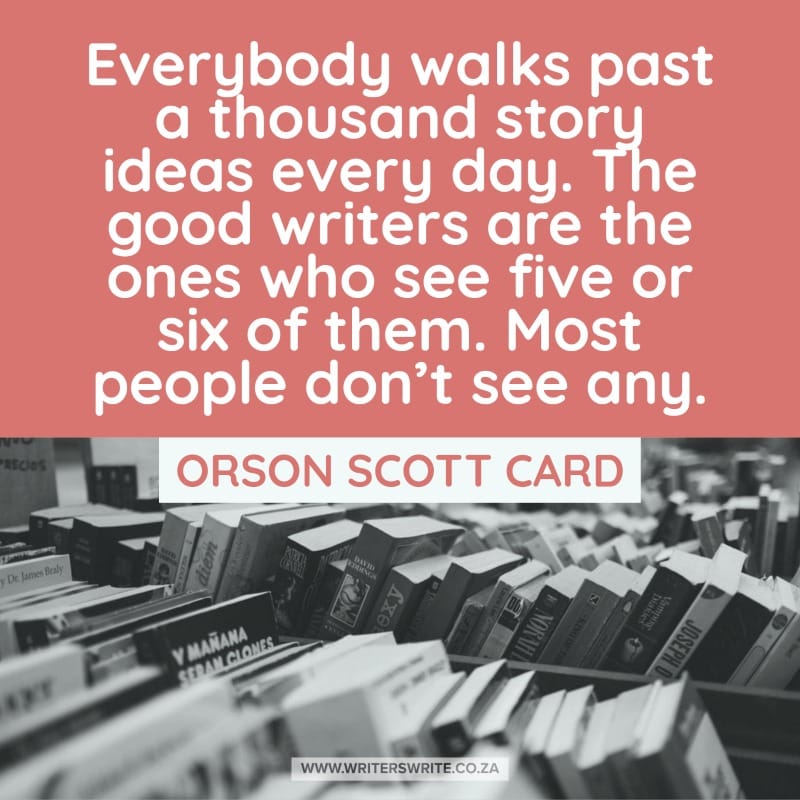
Orson Scott Card is an American writer known best for his science fiction works. As of 2024, he is the only person to have won a Hugo Award and a Nebula Award in consecutive years, winning both awards for his novel Ender’s Game and its sequel Speaker for the Dead.
Most beginners overwrite – padding their prose with unnecessary descriptions and characters. Here are 5 guaranteed ways to bore your reader.
There are times when I pick up a book and I think, ‘I can’t carry on.’ Even though I try to finish most of the novels I start, life is just too short to read badly-written, boring books.
Why are these books boring?
Most beginners overwrite – padding their prose with unnecessary descriptions and characters. This is mainly because they do not have a structured story with well-drawn characters and a cohesive, well-paced plot. I have put together sure-fire ways that will help you if you want to bore your reader to tears.
5 Guaranteed Ways To Bore Your Reader
Add heaps of backstory. Every page is important. Readers, publishers and literary agents make decisions about whether to carry on reading a book based on the first few pages. Do not waste anyone’s time with unimportant setting details and character histories. Introduce your main characters. Tell us where we are – briefly. Set up a great conflict with an exciting inciting moment. And write!
Do not structure your novel. Reading a book seems incredibly daunting if you are lost in an inexperienced author’s stream of consciousness. A great story does not meander from one unrelated event to another. It needs to follow a path. Otherwise, readers will lose interest. They will worry about wasting their time as you muddle through the details.
Do not create empathetic characters. It does not matter if you happen to love your unsympathetic psychopathic hero. The truth is that nobody will continue to read a novel without having an emotional connection to the main characters. They can be heroes, anti-heroes or villains, but they all need flaws and redeeming qualities. Readers read stories because they want to relate to someone in the book. We want to know why the characters are acting the way they do.
Leave unnecessary scenes in the book. I walk out of movie theatres when I watch a film where nothing happens. I stop reading books for the same reason. Authors cannot simply place characters on the page, add some dialogue and description and not move the story forward. Scenes should move your characters and your plot to the resolution of your story. If they don’t, cut them. Removing scenes keeps your story focused, your pace intense, and creates tension so that readers can’t stop reading.
Describe everything. You do not have to tell readers everything. They are not stupid. Reveal information through action and dialogue. This does not mean that you leave description out. It means that you do not tell us what every character, town, tree, or house, looks like in mind-numbing detail. Your characters should interact with the setting. A reader should be able to see and hear and smell the novel through the words on the page.
Please do not make these five mistakes when you write. Remember that you are competing for a place in a crowded market. The Internet, television, movies, and smart phones have taken their toll and today’s reader will not tolerate long flowery sentences, insipid characters and pages of boring backstory. Writing like this is a guaranteed way to lose your reader in the first few pages.
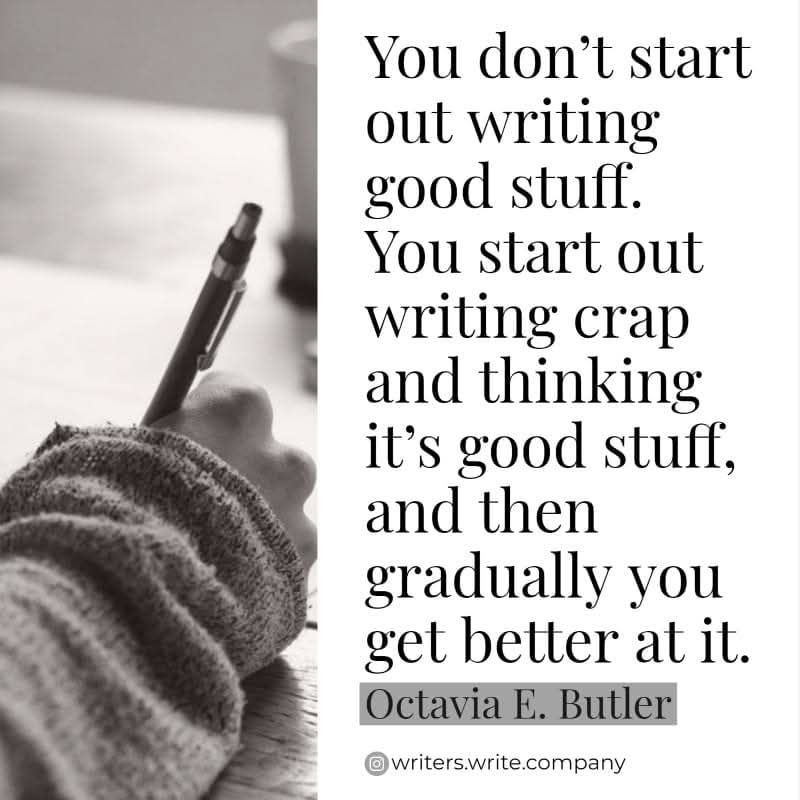
Octavia Estelle Butler (June 22, 1947 – February 24, 2006) was an American science fiction and speculative fiction writer who won several awards for her works, including Hugo, Locus, and Nebula awards. In 1995, Butler became the first science-fiction writer to receive a MacArthur Fellowship. (Wikipedia)
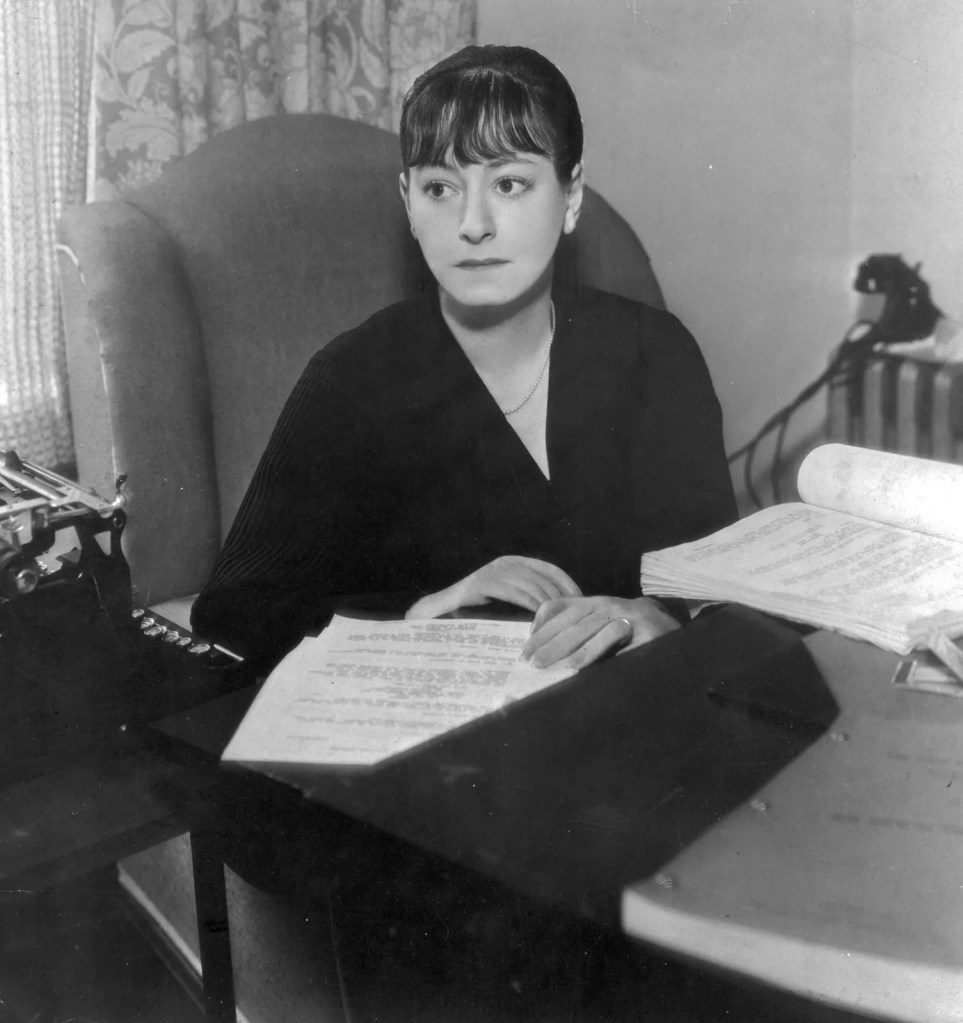
‘It takes me six months to do a story. I think it out and then write it sentence by sentence—no first draft. I can’t write five words but that I change seven.’
How do you name your characters?
‘The telephone book and from the obituary columns.’
Do you keep a notebook?
‘I tried to keep one, but I never could remember where I put the damn thing. I always say I’m going to keep one tomorrow.’
How do you get the story down on paper?
‘I wrote in longhand at first, but I’ve lost it. I use two fingers on the typewriter. I think it’s unkind of you to ask. I know so little about the typewriter that once I bought a new one because I couldn’t change the ribbon on the one I had.’
How about the novel? Have you ever tried that form?
‘I wish to God I could do one, but I haven’t got the nerve.’
Do you think economic security an advantage to the writer?
‘Yes. Being in a garret doesn’t do you any good unless you’re some sort of a Keats. The people who lived and wrote well in the twenties were comfortable and easy living. They were able to find stories and novels, and good ones, in conflicts that came out of two million dollars a year, not a garret. As for me, I’d like to have money. And I’d like to be a good writer. These two can come together, and I hope they will, but if that’s too adorable, I’d rather have money. I hate almost all rich people, but I think I’d be darling at it.’



 Wordsmith At Large